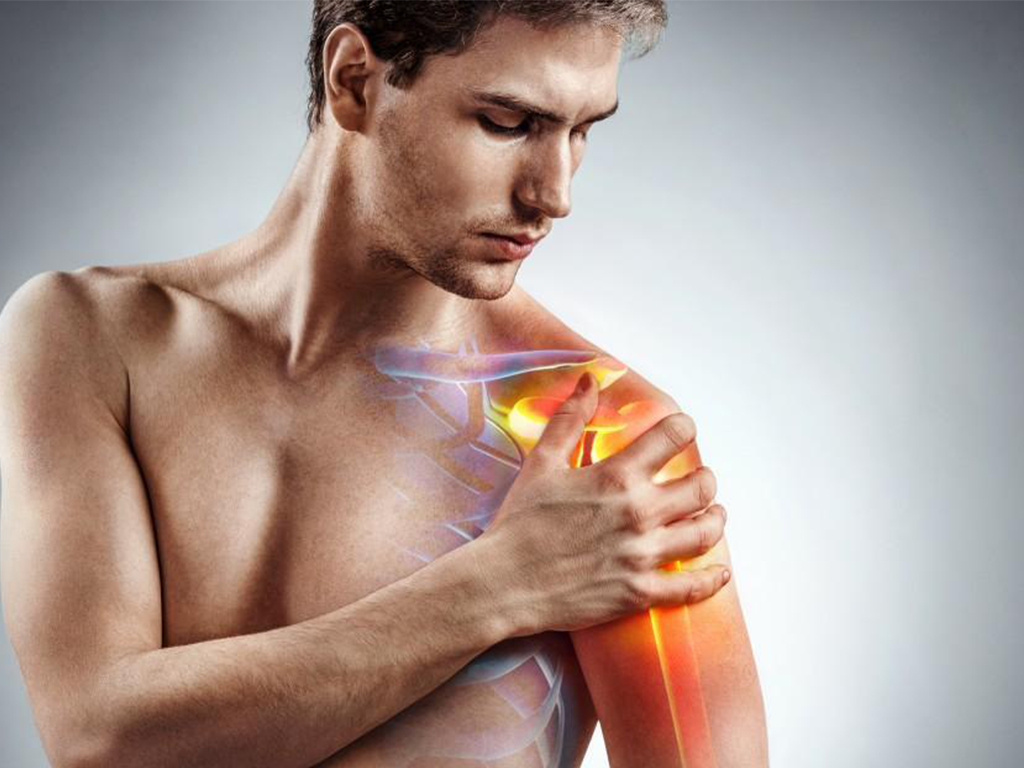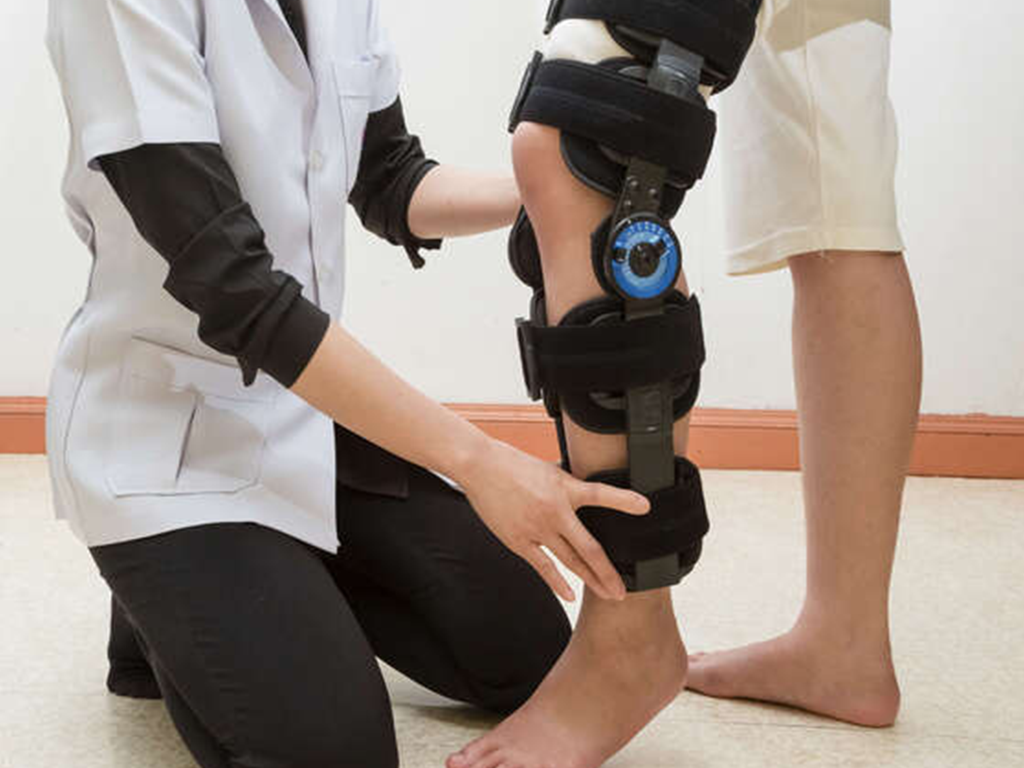
Joint pain, sports injuries, ligament problems, and cartilage damage can affect mobility and everyday activities. When surgery is recommended, many patients want to know whether a minimally invasive option is available. An Arthroscopy Surgeon in Sector 51 Gurugram can evaluate the affected joint and determine whether arthroscopic surgery is appropriate. Arthroscopy uses a small camera and specialised instruments through small incisions to diagnose and treat certain joint conditions.
For fast information, contact us on WhatsApp.
What Is Minimally Invasive Arthroscopic Surgery?
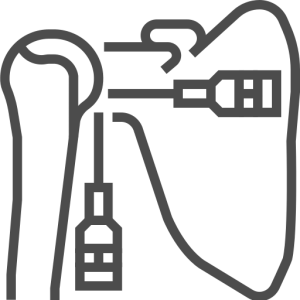
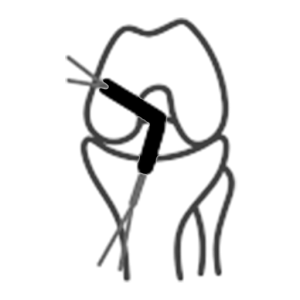
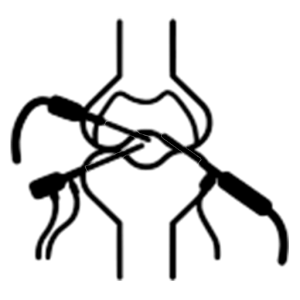
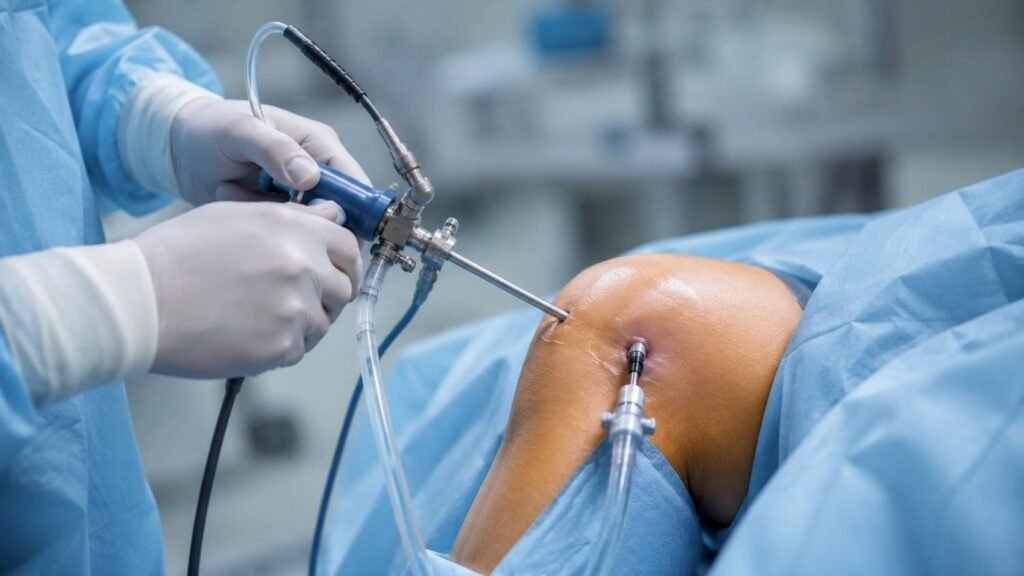
Arthroscopic surgery is a minimally invasive procedure used to look inside a joint and, when appropriate, treat the underlying problem. During the procedure, the surgeon inserts a small instrument called an arthroscope through a small incision. A camera attached to the arthroscope displays detailed images of the joint on a monitor.
Additional small incisions may be used to introduce specialised surgical instruments. Depending on the condition, the surgeon may repair or remove damaged tissue, treat certain ligament injuries, or address cartilage and other joint problems.
Knee and shoulder arthroscopy are particularly common, although arthroscopy can also be used for other joints, including the hip, ankle, elbow, and wrist.
How Can an Arthroscopy Surgeon in Sector 51 Gurugram Help?
The first step is a detailed assessment. Joint pain can have several causes, so surgery is not automatically the right treatment for every patient.
An Arthroscopy Surgeon in Sector 51 Gurugram may review your symptoms, medical history, physical examination, and imaging reports before recommending treatment. Depending on the diagnosis, treatment may involve physiotherapy, medicines, activity modification, injections, or surgery.
At Ortho Plus, arthroscopy services include knee and shoulder procedures, along with treatments such as ACL reconstruction, PCL reconstruction, and meniscus repair.
Benefits of Minimally Invasive Arthroscopic Surgery
1. Smaller Incisions
One of the main features of arthroscopy is the use of small incisions instead of the larger incision commonly associated with traditional open surgery.
The arthroscope and surgical instruments are designed to work through these smaller openings. This can reduce the amount of disruption to surrounding soft tissues compared with some open procedures.
2. Less Postoperative Discomfort
Because arthroscopy generally involves smaller incisions, patients may experience less postoperative discomfort than with comparable open procedures.
However, the level of pain depends on the joint treated, the procedure performed, the extent of the injury, and individual factors. Your Arthroscopy Surgeon in Sector 51 Gurugram can explain what you may expect during recovery.
3. Potentially Faster Recovery
A major reason patients consider minimally invasive surgery is the possibility of a more convenient recovery.
The smaller surgical openings can heal relatively quickly. According to the American Academy of Orthopaedic Surgeons, some patients can return to work, school, or daily activities within a few days, although complete joint recovery can take several weeks depending on the procedure and individual condition.
Recovery should therefore be based on your specific surgery rather than a fixed timeline.
4. Detailed View of the Joint
Arthroscopy allows the surgeon to see the inside of a joint using a camera connected to a video monitor.
This provides a detailed view of structures such as cartilage, ligaments, and other tissues. The surgeon can use this visual information to assess the problem and perform appropriate treatment through specialised instruments.
5. Treatment Through Minimally Invasive Techniques
Arthroscopy is not only used for diagnosis. Many joint problems can be treated during the same procedure when arthroscopic treatment is suitable.
Depending on the diagnosis, procedures may include meniscus treatment, ligament reconstruction, removal of loose cartilage or bone, and selected shoulder procedures.
6. Shorter Hospital Stay in Many Cases
Many arthroscopic procedures are performed on an outpatient basis. This means that suitable patients may be able to return home after a period of observation rather than requiring a prolonged hospital stay.
The actual hospital stay depends on the procedure, anaesthesia, medical history, and the patient’s condition.
What Conditions Can Arthroscopy Treat?
An Arthroscopy Surgeon in Sector 51 Gurugram may consider arthroscopic treatment for selected joint conditions after a proper clinical assessment.
Common examples include:
- Meniscus injuries
- ACL injuries
- PCL injuries
- Certain ligament tears
- Cartilage damage
- Loose cartilage or bone fragments
- Selected shoulder conditions
- Certain knee and joint problems
- Synovial tissue problems
Arthroscopy is commonly performed on the knee and shoulder, while other joints can also be treated using arthroscopic techniques.
The appropriate treatment depends on the location and severity of the injury, the patient’s age and activity level, and other medical factors.
Arthroscopy for Sports Injuries
Sports injuries can involve ligaments, cartilage, tendons, or other joint structures. Athletes may experience injuries such as ACL tears or meniscus damage, particularly in the knee.
In suitable cases, arthroscopic techniques can be used for procedures such as ACL reconstruction or meniscus repair. The goal is to address the injury while supporting the restoration of joint stability and function.
An Arthroscopy Surgeon in Sector 51 Gurugram can assess the injury and explain whether arthroscopy, non-surgical treatment, or another surgical approach is appropriate.
What Is Recovery Like After Arthroscopic Surgery?
Recovery varies significantly from one patient to another. It depends on the joint involved, the type of procedure, the extent of tissue damage, and the patient’s overall health.
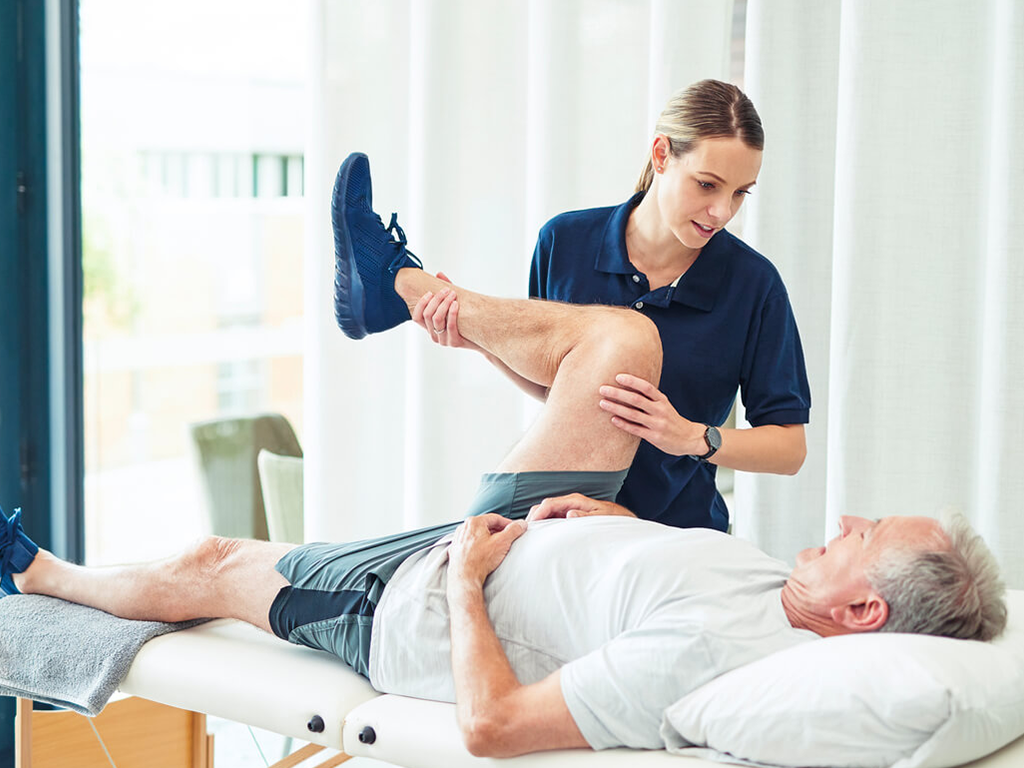
After surgery, your doctor may recommend specific exercises and physiotherapy. Rehabilitation is important because successful recovery involves more than allowing the incision to heal. The joint may need gradual strengthening and restoration of movement.
Patients should follow their surgeon’s instructions regarding weight-bearing, exercise, driving, work, and sports activities.
Is Arthroscopy Suitable for Everyone?
No. Arthroscopy is not automatically appropriate for every joint problem.
A proper diagnosis is important before choosing surgery. Your orthopaedic surgeon may use a physical examination and imaging such as X-rays or MRI, depending on the suspected condition.
An Arthroscopy Surgeon in Sector 51 Gurugram will consider the diagnosis, symptoms, previous treatments, activity requirements, and overall health before recommending a procedure.
Arthroscopy also has potential risks, as with any surgery. These can include infection, bleeding, swelling, blood clots, and injury to nerves or blood vessels, although complications are uncommon.
Why Choose Ortho Plus for Arthroscopic Care?
Ortho Plus provides orthopaedic and musculoskeletal care in Sector 51, Gurugram. Its listed services include knee and shoulder arthroscopy, ACL reconstruction, PCL reconstruction, meniscus repair, sports injury treatment, and physiotherapy and postoperative rehabilitation.
The clinic is located in Sector 51, Gurugram, and provides assessment, treatment planning, surgical care, and rehabilitation support for suitable patients.
If you are searching for an Arthroscopy Surgeon in Sector 51 Gurugram, a consultation can help you understand the cause of your joint problem and whether minimally invasive treatment is appropriate for your condition.
FAQs
1. Is arthroscopic surgery considered minimally invasive?
Yes. Arthroscopy generally uses small incisions through which a camera and specialised instruments are inserted into the joint. This is different from conventional open surgery, which may require a larger incision.
2. Which joints can be treated with arthroscopy?
Arthroscopy is commonly used for the knee and shoulder. It can also be performed on joints such as the hip, ankle, elbow, and wrist for selected conditions.
3. How long does it take to recover from arthroscopic surgery?
Recovery depends on the procedure and the patient’s individual condition. Some people resume certain daily activities within days, while complete joint recovery can take several weeks or longer.
4. Is physiotherapy needed after arthroscopy?
Physiotherapy may be recommended after arthroscopic surgery to help restore movement, strength, stability, and function. The rehabilitation plan depends on the specific procedure.
5. When should I consult an Arthroscopy Surgeon in Sector 51 Gurugram?
Consider an orthopaedic consultation if persistent joint pain, swelling, instability, restricted movement, or a sports injury is affecting your daily activities. The surgeon can assess the condition and determine whether conservative treatment or arthroscopy may be appropriate.
Conclusion
Minimally invasive arthroscopic surgery has become an important option for treating selected knee, shoulder, and other joint problems. Smaller incisions, detailed visualisation of the joint, potentially less postoperative discomfort, and recovery that may allow an earlier return to daily activities are among its potential advantages.
However, arthroscopy is not suitable for every condition. A detailed diagnosis and personalised treatment plan are essential before deciding on surgery. If you are considering treatment for a sports injury, meniscus problem, ligament injury, or other joint condition, consulting an Arthroscopy Surgeon in Sector 51 Gurugram can help you understand your available treatment options.