
Hip pain can affect simple activities such as walking, climbing stairs, sitting, or getting up from a chair. When pain continues or mobility becomes limited, consulting a Hip Replacement Surgeon in Gurugram can help identify the underlying problem. A proper diagnosis is important because hip pain does not always mean that hip replacement surgery is required. The diagnosis usually involves understanding symptoms, reviewing medical history, performing a physical examination, and using imaging tests when needed.
For fast information, contact us on WhatsApp.
At Ortho Plus, hip replacement care focuses on relieving pain, restoring joint function, and improving mobility. Hip replacement may be considered when severe joint damage, arthritis, fractures, or degenerative conditions significantly affect daily life.
Why Is Hip Joint Diagnosis Important?
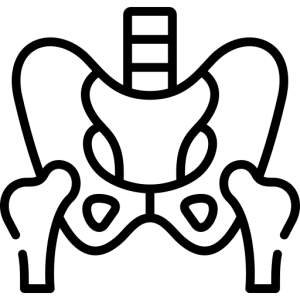
The hip is a major weight-bearing joint. It connects the thigh bone to the pelvis and helps support walking and other movements.
Hip pain can have several causes. Osteoarthritis, rheumatoid arthritis, fractures, previous injuries, and degenerative joint conditions are some common problems associated with hip damage.
A Hip Replacement Surgeon in Gurugram first tries to understand what is causing the symptoms. This helps determine whether the patient may benefit from medicines, physiotherapy, activity modification, injections, or surgery.
An accurate diagnosis also helps avoid unnecessary procedures.
Step 1: Understanding Your Hip Pain and Symptoms
The first part of diagnosis is a detailed discussion about your symptoms.
The surgeon may ask:
- Where exactly do you feel the pain?
- When did the pain begin?
- Is the pain constant or occasional?
- Does walking increase the pain?
- Do you experience stiffness after sitting?
- Are you having difficulty climbing stairs?
- Have you experienced a fall or injury?
- Have medicines or physiotherapy provided relief?
Pain from the hip may sometimes be felt in the groin, thigh, buttocks, or even around the knee. Therefore, identifying the exact pain pattern is important.
Step 2: Reviewing Medical and Injury History
A Hip Replacement Surgeon in Gurugram may also review your medical history before deciding which diagnostic tests are appropriate.
Previous fractures, sports injuries, accidents, arthritis, osteoporosis, or other joint problems can influence the condition of the hip.
The doctor may also ask about previous treatments. This includes medications, physiotherapy, injections, or any earlier orthopedic surgery.
This information gives the surgeon a clearer picture of how the condition has progressed.
Step 3: Physical Examination of the Hip
A physical examination is another important part of diagnosis.
The surgeon may examine the movement and flexibility of the hip. They may also assess muscle strength, tenderness, stiffness, and the way you walk.
During the examination, the doctor may gently move the hip through different positions. This can help identify restricted movement or discomfort.
The examination may also help determine whether the symptoms are actually coming from the hip or from another area, such as the lower back or surrounding muscles.
Step 4: X-Ray for Hip Joint Problems
X-rays are commonly used to assess the structure of the hip joint.
An X-ray can help identify changes such as narrowing of the joint space, bone changes, fractures, or signs of advanced arthritis.
For patients being evaluated for hip replacement, imaging can help the surgeon understand the extent of joint damage.
However, an X-ray is interpreted along with symptoms and physical examination findings. The image alone does not always determine whether surgery is necessary.
Step 5: Additional Imaging When Required
In some cases, additional imaging may be required.
Depending on the suspected condition, a doctor may recommend tests such as an MRI or CT scan. These tests can provide additional information about bones and surrounding structures when an X-ray does not provide enough detail.
The need for additional imaging depends on the patient’s symptoms, examination findings, medical history, and suspected diagnosis.
A Hip Replacement Surgeon in Gurugram can determine which investigation is appropriate instead of ordering every test for every patient.
Step 6: Assessing Hip Joint Damage
After reviewing the examination and imaging results, the surgeon assesses the overall condition of the hip.
Important factors may include:
- Amount of cartilage or joint damage
- Severity of pain
- Hip stiffness
- Walking difficulty
- Reduced range of motion
- Impact on daily activities
- Previous treatment response
- Overall health and mobility
Ortho Plus notes that hip replacement may be considered when persistent pain, restricted mobility, severe joint damage, fractures, or stiffness continue to affect quality of life despite conservative treatment.
Does Every Hip Problem Require Hip Replacement?
No. Not every person with hip pain requires hip replacement.
Treatment depends on the cause and severity of the problem. Some patients may improve with non-surgical treatments such as medicines, physiotherapy, exercises, lifestyle changes, or other appropriate treatments.
Hip replacement is generally considered when significant joint damage causes persistent symptoms and other treatment options do not provide sufficient relief.
This is why consulting a Hip Replacement Surgeon in Gurugram for an individual assessment is important rather than deciding on surgery based only on symptoms.
When May Hip Replacement Be Considered?
Hip replacement, also called hip arthroplasty, involves replacing damaged parts of the hip joint with artificial components.
According to Ortho Plus, common situations in which hip replacement may be considered include persistent hip pain affecting daily activities, limited walking or standing ability, stiffness that does not respond adequately to conservative treatment, hip fractures, severe joint damage, and reduced quality of life.
The final decision depends on an individual clinical assessment.
How Ortho Plus Approaches Hip Joint Care
Ortho Plus provides orthopedic and musculoskeletal care in Gurugram, including hip replacement and joint replacement services. Its website states that the centre provides hip replacement surgery to help relieve pain, restore joint function, and improve mobility.
The centre also provides physiotherapy and post-operative rehabilitation as part of its orthopedic services.
For patients with ongoing hip symptoms, the goal is to understand the cause first and then select a treatment approach appropriate for the condition.
What Should You Bring to Your Hip Consultation?
Before visiting a Hip Replacement Surgeon in Gurugram, it can be helpful to carry previous medical reports and imaging scans.
You should also make a list of medicines you currently take and mention previous injuries or surgeries.
Most importantly, explain how hip pain affects your daily activities. Information about walking, sleeping, sitting, climbing stairs, and exercising can help the doctor understand the practical impact of your symptoms.
Conclusion
Diagnosing hip joint problems involves more than looking at an X-ray. A Hip Replacement Surgeon in Gurugram generally considers symptoms, medical history, physical examination, movement, mobility, and imaging findings before recommending treatment.
Hip replacement may be an option for people with significant joint damage and persistent symptoms that affect their quality of life. However, the appropriate treatment varies from patient to patient.
Early orthopedic evaluation can help identify the cause of hip pain and provide a clearer treatment plan. If persistent hip pain, stiffness, or mobility problems are affecting your daily routine, a professional assessment can help you understand the available options.
Frequently Asked Questions
1. How does a Hip Replacement Surgeon in Gurugram diagnose hip arthritis?
Diagnosis usually involves discussing symptoms and medical history, performing a physical examination, and reviewing imaging such as X-rays. Additional tests may be recommended when clinically necessary.
2. Is an X-ray enough to diagnose a hip problem?
An X-ray can provide important information about the bones and joint space, but it may not be sufficient in every case. The surgeon considers the X-ray together with symptoms and physical examination findings.
3. Does severe hip pain always mean that I need hip replacement?
No. Hip pain can have different causes, and not every condition requires surgery. Depending on the diagnosis, treatment may include medicines, physiotherapy, exercises, activity modification, or other non-surgical approaches.
4. When should I see a Hip Replacement Surgeon in Gurugram?
You should consider an orthopedic consultation if hip pain persists, affects walking or daily activities, causes significant stiffness, or does not improve with initial treatment.
5. What happens during a hip replacement consultation?
The consultation generally includes a discussion of symptoms and medical history, a physical examination, and review of relevant imaging. The surgeon then explains the diagnosis and discusses suitable treatment options based on the individual condition.