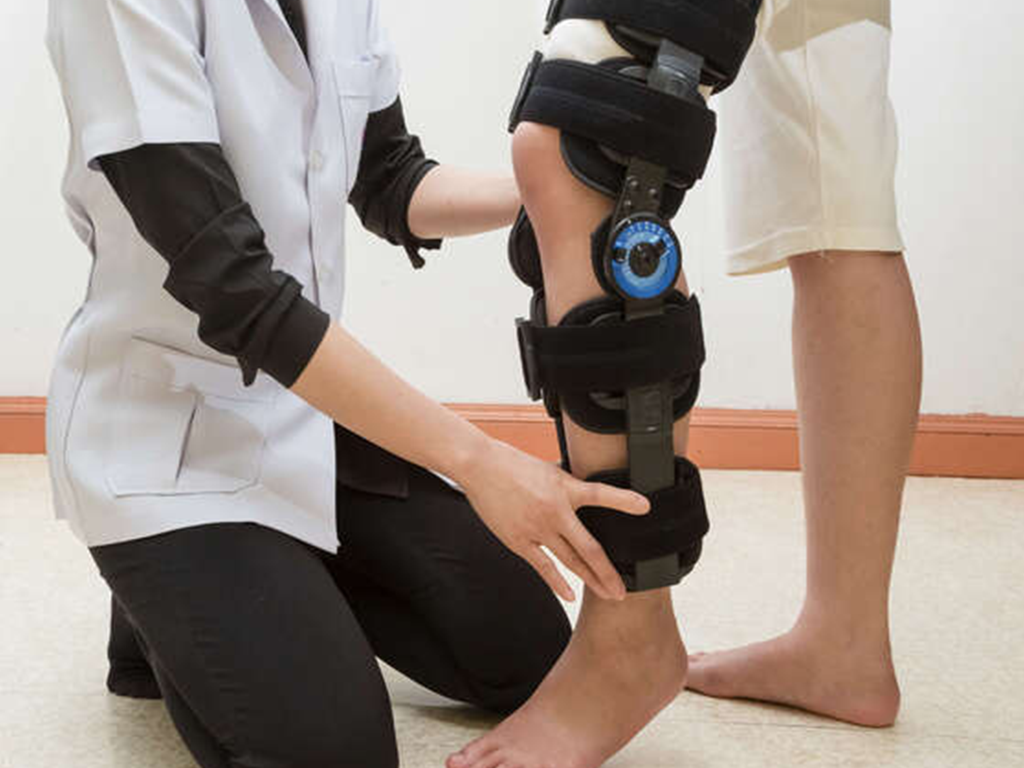
If knee pain is making it difficult to walk, climb stairs, exercise, or perform everyday activities, you may have considered advanced treatment options. A Robotic Knee Replacement Surgeon in Gurugram can evaluate your knee condition and determine whether robotic-assisted knee replacement is appropriate for you. However, robotic surgery is not automatically the right choice for every patient. The decision depends on the severity of knee damage, symptoms, overall health, and individual anatomy.
For fast information, contact us on WhatsApp.
Robotic knee replacement combines the expertise of an orthopedic surgeon with technology that can assist with surgical planning and implant positioning. At Ortho Plus, robotic joint replacement is one of the advanced treatment options available for suitable patients with significant knee problems.
What Is Robotic Knee Replacement?
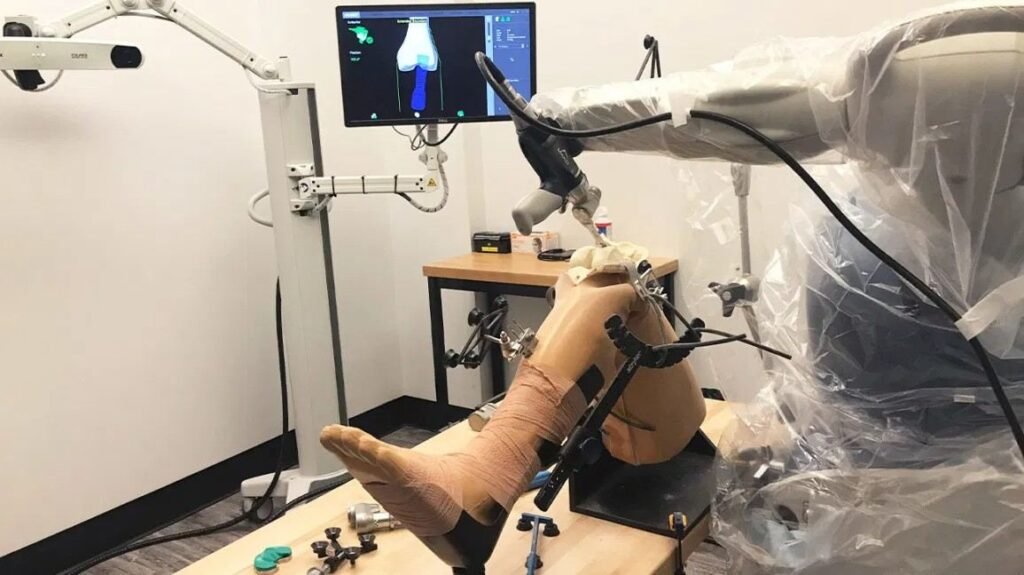
Robotic knee replacement is an advanced approach to knee replacement surgery. It uses computer-assisted technology to help the surgeon plan and perform specific stages of the procedure.
Depending on the robotic system being used, the technology may create a detailed model of the patient’s knee and assist with planning bone preparation, alignment, implant positioning, and joint balancing.
Importantly, the robot does not independently perform the operation. The orthopedic surgeon remains responsible for the surgical decisions and controls the procedure.
The goal is to help the surgeon perform the planned procedure with greater precision while considering the patient’s individual knee anatomy.
Who May Be a Candidate for Robotic Knee Replacement?
There is no single age or symptom that makes someone automatically suitable for robotic knee replacement. Instead, an orthopedic evaluation is necessary.
A Robotic Knee Replacement Surgeon in Gurugram may consider robotic-assisted surgery for patients who have one or more of the following problems:
- Advanced knee osteoarthritis
- Severe or persistent knee pain
- Significant knee stiffness
- Difficulty walking
- Pain while climbing stairs
- Reduced mobility
- Progressive knee deformity
- Damage caused by degenerative joint disease
- Knee symptoms that affect daily activities
- Inadequate relief from appropriate non-surgical treatment
These symptoms can indicate significant joint damage, but they do not by themselves confirm that knee replacement is required. A clinical examination and appropriate imaging are important before making a treatment decision.
Patients With Advanced Knee Arthritis
Severe arthritis is one of the common reasons a patient may eventually need knee replacement.
Osteoarthritis can gradually wear down the protective cartilage inside the knee. As the condition progresses, patients may experience pain, stiffness, swelling, reduced movement, and difficulty performing routine activities.
Initially, treatment may include weight management, exercise, physiotherapy, medication, activity modification, or other non-surgical approaches.
However, when these measures no longer provide adequate relief and knee damage is advanced, knee replacement may become an option.
A Robotic Knee Replacement Surgeon in Gurugram can assess the extent of arthritis and discuss whether robotic-assisted replacement, conventional replacement, partial replacement, or another treatment would be more appropriate.
Patients With Persistent Knee Pain
Not every person with knee pain needs surgery.
Knee pain can occur because of arthritis, ligament injuries, meniscus problems, inflammation, overuse, trauma, or several other conditions. Therefore, identifying the underlying cause is an important first step.
For patients with advanced joint damage and persistent symptoms, knee replacement may be considered when pain begins to interfere with normal activities and quality of life.
The decision should be based on the overall clinical picture rather than pain intensity alone.
Patients With Reduced Mobility
Another important consideration is how knee problems affect movement.
You may notice difficulty walking for longer distances, getting up from a chair, climbing stairs, standing for extended periods, or participating in activities you previously enjoyed.
If these limitations are caused by severe knee joint damage and conservative treatment has not provided sufficient relief, an orthopedic specialist may discuss joint replacement.
Robotic technology can then be considered as part of the surgical plan when clinically appropriate.
Does Age Determine Suitability?
Age alone does not determine whether a patient is suitable for knee replacement.
The more important considerations include the condition of the knee, severity of symptoms, functional limitations, general health, and expected benefits of surgery.
Therefore, both younger and older adults may require individualized assessment.
Instead of deciding based only on age, a Robotic Knee Replacement Surgeon in Gurugram can evaluate the patient’s joint condition and discuss available treatment options.
What Happens Before Robotic Knee Replacement?
A detailed assessment is essential before surgery.
During the consultation, the orthopedic surgeon may evaluate:
- Medical and treatment history
- Knee pain and stiffness
- Walking ability
- Knee movement
- Alignment and deformity
- Joint stability
- Previous injuries or surgeries
- Imaging results
- General health and surgical risks
Imaging may also be required for planning, depending on the robotic system and surgical technique.
This information helps the surgeon determine whether knee replacement is appropriate and whether robotic assistance may provide value for the individual patient.
Is Robotic Knee Replacement Better for Everyone?
Robotic technology can assist with planning and surgical precision, but it should not be considered a guarantee of better results for every patient.
The American Academy of Orthopaedic Surgeons has reported that evidence has not demonstrated a significant short-term difference in function, outcomes, or complications between robotic-assisted and conventional total knee replacement overall. At the same time, robotic systems can improve the accuracy of certain aspects of surgical planning and execution.
Therefore, the technology is only one part of the treatment decision.
The surgeon’s experience, the patient’s condition, implant selection, rehabilitation, and appropriate postoperative care also matter.
Potential Advantages of Robotic-Assisted Knee Replacement
When robotic-assisted surgery is appropriate, the technology may help with patient-specific planning and accurate preparation of the knee.
Potential advantages can include:
- Detailed surgical planning
- Patient-specific assessment of knee anatomy
- Assistance with bone preparation
- Implant positioning and alignment assessment
- Support for joint balancing
- Technology-assisted surgical precision
However, the expected benefits can vary from patient to patient. Your orthopedic surgeon can explain what robotic assistance means in your particular case.
Why Choose an Experienced Robotic Knee Replacement Surgeon in Gurugram?
Choosing the appropriate surgeon is an important part of the treatment process.
A qualified orthopedic specialist can first determine whether you actually need knee replacement. If replacement is required, the surgeon can then discuss whether robotic-assisted surgery is suitable for your anatomy and condition.
At Ortho Plus, Dr. Guruditta Khurana provides orthopedic care with a focus that includes robotic joint replacement, knee replacement, hip replacement, arthroscopy, sports injuries, and fracture care. Ortho Plus provides consultation access in Gurugram, including Sector 51.
What Should You Expect After Surgery?
Knee replacement is only one part of the recovery process.
After surgery, rehabilitation and physiotherapy play an important role in restoring movement and strength. Your recovery plan may include exercises, walking progression, pain management, and regular follow-up.
The exact recovery timeline differs between patients. Factors such as age, general health, muscle strength, surgical technique, and commitment to rehabilitation can influence recovery.
Following the orthopedic team’s postoperative instructions can help support a safe recovery.
Conclusion
Robotic knee replacement may be considered for patients with advanced knee arthritis, persistent pain, reduced mobility, significant joint damage, or symptoms that continue despite appropriate non-surgical treatment.
However, not every patient with knee pain needs knee replacement, and not every knee replacement requires robotic assistance. A detailed orthopedic evaluation is therefore essential.
If you are considering treatment, consulting a Robotic Knee Replacement Surgeon in Gurugram can help you understand your condition and compare appropriate treatment options. The final decision should be based on your individual knee condition, medical history, imaging, lifestyle, and overall health.
At Ortho Plus, patients can seek an orthopedic evaluation to understand whether robotic-assisted knee replacement or another treatment approach is appropriate for their condition.
Frequently Asked Questions
1. Who is generally considered for robotic knee replacement?
Patients with advanced knee arthritis, persistent pain, stiffness, reduced mobility, joint deformity, and inadequate relief from appropriate non-surgical treatment may be considered for knee replacement. Whether robotic assistance is appropriate requires an individual orthopedic assessment.
2. Is robotic knee replacement suitable for every patient?
No. Robotic knee replacement is not automatically suitable for everyone. The treatment choice depends on the patient’s knee condition, anatomy, overall health, surgical requirements, and the surgeon’s clinical assessment.
3. Does age matter for robotic knee replacement?
Age is only one consideration. The severity of knee damage, symptoms, mobility, general health, and functional requirements are also important when deciding whether knee replacement is appropriate.
4. Does a robot perform the knee replacement surgery?
No. The orthopedic surgeon remains in control of the operation. Robotic technology can assist with planning, bone preparation, alignment, and other specific parts of the procedure, depending on the system being used.
5. How do I know whether I need robotic knee replacement?
The best way to determine this is through an orthopedic consultation. Your surgeon can evaluate your symptoms, physical condition, imaging, joint damage, and previous treatments before recommending robotic replacement, conventional replacement, partial replacement, or non-surgical care.