Muscle strains and tendon injuries are common problems among athletes, fitness enthusiasts, and people who enjoy regular physical activity. These injuries can cause pain, swelling, weakness, and difficulty moving. Consulting a Sports Injury Doctor in Gurugram can help identify the cause of the injury and determine the right treatment for a safe recovery.
A muscle strain occurs when muscle fibres stretch too far or tear. A tendon injury affects the strong tissue connecting a muscle to a bone. Although both injuries can cause similar symptoms, they may require different treatment approaches.
For fast information, contact us on WhatsApp.
At Ortho Plus, sports injury care focuses on accurate diagnosis, personalised treatment, and rehabilitation to help patients regain movement and return to their daily activities.
What Causes Muscle Strains and Tendon Injuries?
Muscle and tendon injuries can happen during sports, exercise, or everyday activities. Sudden movements and repetitive stress are common causes.
Some common causes include:
- Skipping warm-up exercises before physical activity.
- Increasing exercise intensity too quickly.
- Repeated jumping, running, or lifting.
- Poor exercise technique or incorrect posture.
- Sudden changes in direction during sports.
- Inadequate recovery between training sessions.
- Overloading muscles and tendons during workouts.
For example, a football player may strain a hamstring while sprinting. A tennis player may develop irritation in a shoulder tendon due to repeated overhead movements.
A Sports Injury Doctor in Gurugram can assess these symptoms and determine whether they are caused by a muscle strain, tendon problem, or another musculoskeletal injury.
What Are the Common Symptoms of Muscle and Tendon Injuries?
Recognising symptoms early can help prevent further damage. However, symptoms vary depending on the location and severity of the injury.
Symptoms of Muscle Strains
Muscle strains commonly cause:
- Sudden or gradual muscle pain.
- Tenderness around the injured area.
- Swelling or bruising.
- Muscle weakness.
- Difficulty stretching or contracting the muscle.
- Reduced movement during physical activity.
Mild strains may improve with appropriate care. More severe injuries can cause significant pain and difficulty using the affected muscle.
Symptoms of Tendon Injuries
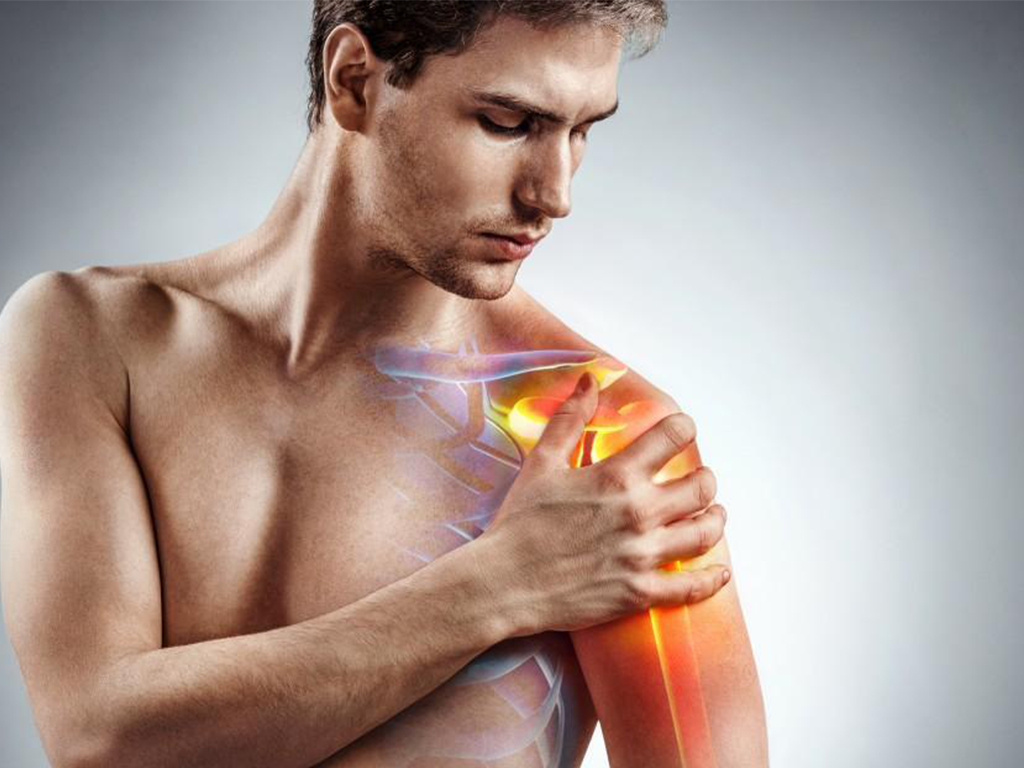
Tendon injuries may cause pain near a joint or where a muscle attaches to a bone. Other symptoms include stiffness, tenderness, swelling, and discomfort during movement.
Some tendon problems develop gradually because of repetitive activity. Others occur suddenly following a forceful movement.
If pain persists or interferes with sports, work, or daily activities, consult a Sports Injury Doctor in Gurugram for a professional assessment.
How Does a Sports Injury Doctor Diagnose the Problem?
Effective treatment begins with an accurate diagnosis. Muscle strains and tendon injuries can produce similar symptoms, so identifying the affected tissue is important.
1. Medical History and Physical Examination
The doctor will ask how the injury happened, when the pain started, and which movements make it worse. Previous injuries, exercise habits, and current activity levels may also be discussed.
During the examination, the doctor may assess muscle strength, tenderness, swelling, flexibility, and joint movement.
This evaluation helps determine the likely injury and whether further testing is necessary.
2. Imaging Tests When Required
Not every sports injury requires an imaging test. However, additional investigations may help when the injury is severe or the diagnosis is uncertain.
Depending on the symptoms, the doctor may recommend:
- Ultrasound: Helps assess certain muscle and tendon injuries.
- MRI: Provides detailed images of soft tissues and can identify some tears.
- X-ray: Helps check for fractures or other bone-related problems when suspected.
A Sports Injury Doctor in Gurugram uses examination findings and appropriate investigations to develop a treatment plan based on the patient’s condition.
What Are the Treatment Options for Muscle Strains?
Treatment depends on the severity of the strain, the affected muscle, and the patient’s activity requirements.
1. Rest and Activity Modification
Resting the injured muscle helps prevent additional stress during the early stages of recovery. However, complete inactivity for long periods is not always necessary.
Your doctor may recommend temporarily avoiding sprinting, heavy lifting, jumping, or other movements that worsen the pain.
As symptoms improve, activity can gradually increase under professional guidance.
2. Ice and Pain Management
Applying an ice pack wrapped in a cloth for short periods may help reduce pain and swelling during the initial stage of an injury.
Avoid placing ice directly on the skin. Medication may also be considered when appropriate, depending on the patient’s medical history and the nature of the injury.
Do not continue exercising through significant pain, as this may worsen the problem.
3. Physiotherapy and Strengthening Exercises
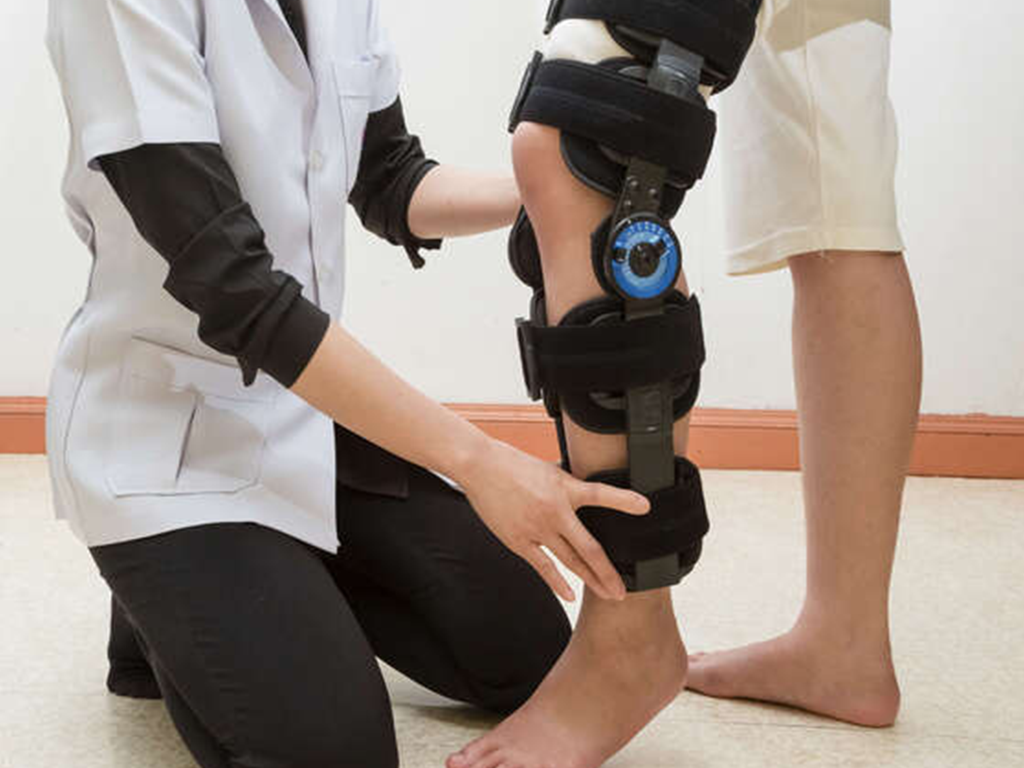
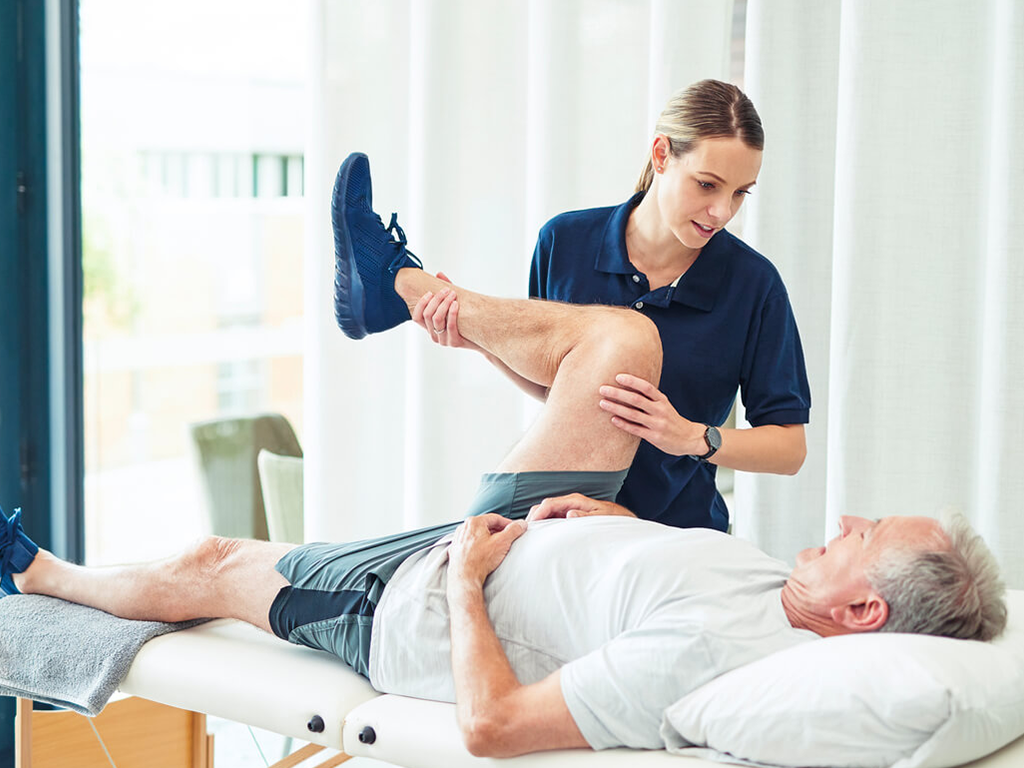
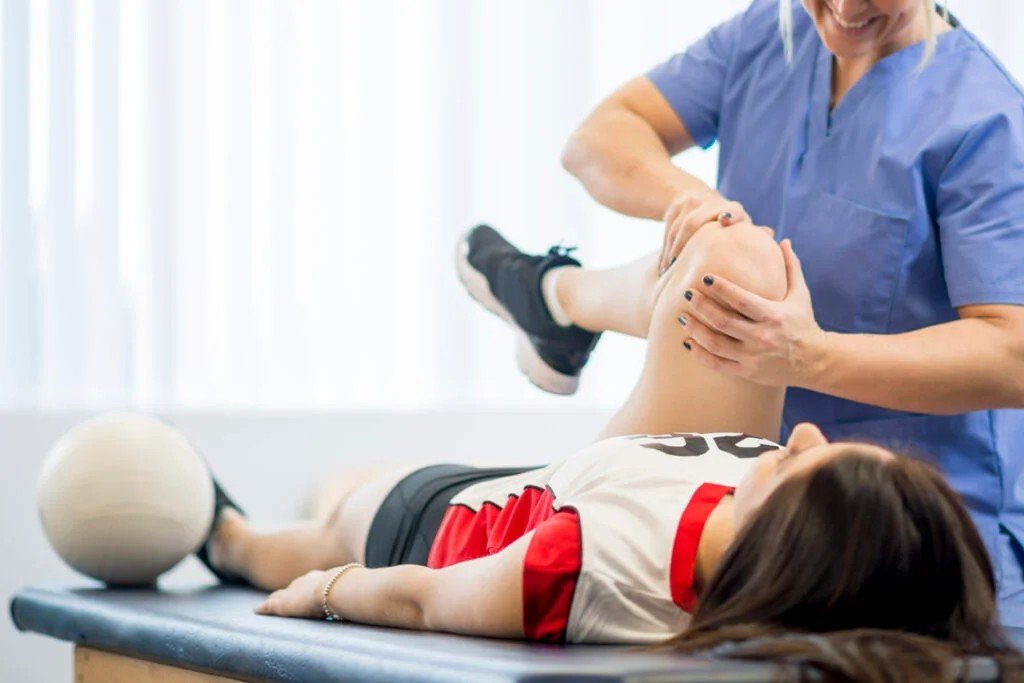
Physiotherapy is an important part of recovery from many muscle strains. A physiotherapist may recommend gentle mobility exercises, stretching, and progressive strengthening.
The programme changes as the injury heals. Initially, the focus may be on comfortable movement. Later, exercises may help restore strength, balance, coordination, and sports-specific function.
At Ortho Plus, rehabilitation support helps patients work towards improved movement and a gradual return to physical activity.
How Are Tendon Injuries Treated?
Tendon treatment depends on whether the problem involves irritation, overuse, a partial tear, or a complete tear.
1. Activity Modification and Rehabilitation
Many tendon problems improve with an appropriate exercise programme and changes to the activities that aggravate symptoms.
The doctor may recommend reducing repetitive movements and gradually rebuilding strength. Physiotherapy often includes controlled strengthening exercises that help the tendon tolerate everyday and sports-related loads.
Recovery may take several weeks or longer, depending on the affected tendon and the severity of the injury.
2. Medication and Other Treatments
Medication may help manage pain when clinically appropriate. However, pain relief alone does not repair an injured tendon.
Some patients may be considered for additional treatments after an individual assessment. Their suitability depends on the diagnosis, injury severity, and available evidence.
A Sports Injury Doctor in Gurugram can explain the potential benefits, limitations, and risks of the recommended options.
3. When Is Surgery Necessary?
Most mild muscle strains and many tendon problems can be treated without surgery. However, surgery may be considered for certain complete tendon tears, severe injuries, or cases where appropriate non-surgical treatment has not provided sufficient improvement.
The decision depends on factors such as the location of the injury, the amount of tissue damage, functional limitations, and the patient’s activity goals.
Ortho Plus offers orthopaedic services, including sports injury treatment, rehabilitation, and selected surgical procedures when clinically indicated.
How Long Does Recovery Take?
Recovery time varies according to the type and severity of the injury.
Mild muscle strains may improve within a few weeks. More serious strains can take longer. Tendon injuries may also require several weeks or months, particularly when the tendon has sustained significant damage.
Returning to sports too early can increase the risk of reinjury. Before resuming full activity, patients should work towards comfortable movement, adequate strength, and the ability to perform sport-specific movements safely.
Your doctor and physiotherapist can guide your return based on your progress rather than a fixed timeline.
How Can You Prevent Muscle and Tendon Injuries?
Although not every injury can be prevented, a few practical steps may reduce the risk.
- Warm up before exercise or sports.
- Increase training intensity gradually.
- Use correct technique when lifting or exercising.
- Include strength and flexibility training in your routine.
- Allow enough time for recovery between demanding sessions.
- Wear suitable footwear and sports equipment.
- Stop and seek advice if pain persists or worsens.
These habits support musculoskeletal health and help you exercise more safely.
Why Consult a Sports Injury Doctor in Gurugram at Ortho Plus?
Sports injuries can affect people of different ages and fitness levels. Whether you are a professional athlete, a recreational runner, or someone who exercises occasionally, timely assessment can help identify the problem and guide appropriate treatment.
Ortho Plus provides orthopaedic care, sports injury treatment, and physiotherapy support. Its team includes orthopaedic and rehabilitation professionals who help patients understand their injuries and work towards restoring mobility.
If you experience persistent muscle pain, tendon discomfort, swelling, weakness, or difficulty returning to exercise, a consultation can help determine the next steps.
Conclusion
Muscle strains and tendon injuries can interfere with exercise, sports performance, and everyday activities. Early assessment, suitable activity modification, and a structured rehabilitation programme can support recovery and reduce the risk of further injury.
A Sports Injury Doctor in Gurugram can help distinguish between different types of injuries and recommend treatment based on their severity. While many injuries improve with non-surgical care, some require further investigations or surgical treatment.
At Ortho Plus, the focus is on understanding each patient’s condition and supporting recovery through orthopaedic care and rehabilitation. Seek professional guidance if pain persists or your movement remains limited, and return to sports only when it is safe to do so.
Frequently Asked Questions
1. What is the difference between a muscle strain and a tendon injury?
A muscle strain involves overstretching or tearing muscle fibres. A tendon injury affects the tissue connecting muscle to bone. Both can cause pain and weakness, but their treatment and recovery may differ.
2. Should I exercise with a muscle strain?
Avoid activities that increase pain or place excessive stress on the injured muscle. Gentle movement may be appropriate in some cases, but a doctor or physiotherapist should guide your return to exercise.
3. Can tendon injuries heal without surgery?
Yes. Many tendon injuries can be managed with activity modification, physiotherapy, and appropriate medical care. However, some severe tears may require surgery.
4. When should I consult a Sports Injury Doctor in Gurugram?
Seek medical advice if you experience persistent pain, significant swelling, muscle weakness, difficulty moving a limb, or symptoms that worsen despite initial care. Severe pain, visible deformity, or inability to bear weight after an injury requires prompt assessment.
5. How can I return to sports safely after an injury?
Return gradually when pain, movement, strength, and sport-specific function have improved sufficiently. Follow your doctor’s or physiotherapist’s recommendations instead of returning to full training solely because the pain has reduced.