Fracture Treatment in Sector 51 Gurugram

What Precautions Should You Follow After Fracture Treatment?

Recovering from a fracture requires patience, proper care, and regular medical follow-ups. If you are seeking Fracture Treatment in Sector 51 Gurugram, understanding the precautions to follow after treatment can help support bone healing and reduce the risk of complications. Whether your fracture was treated with a cast, a brace, or surgery, following your orthopaedic doctor’s instructions is essential.

A fracture may take several weeks or months to heal, depending on the injured bone, the severity of the injury, and your overall health. Therefore, it is important to protect the injured area and avoid activities that may delay recovery. With the right precautions and a structured rehabilitation plan, you can gradually return to your daily routine.

For fast information, contact us on WhatsApp.

Why Is Post-Fracture Care Important?

Fracture treatment does not end when the cast is applied or surgery is completed. The bone needs time to repair itself. Meanwhile, the surrounding muscles, ligaments, and joints also need proper care.

Following your doctor’s instructions can help:

  • Support proper bone healing.
  • Reduce pain and swelling.
  • Prevent unnecessary movement of the injured bone.
  • Lower the risk of infection after surgery.
  • Restore strength, flexibility, and mobility.
  • Reduce the risk of reinjury during recovery.

Patients receiving Fracture Treatment in Sector 51 Gurugram should attend follow-up appointments and discuss any unexpected symptoms with their orthopaedic specialist.

1. Protect the Injured Area

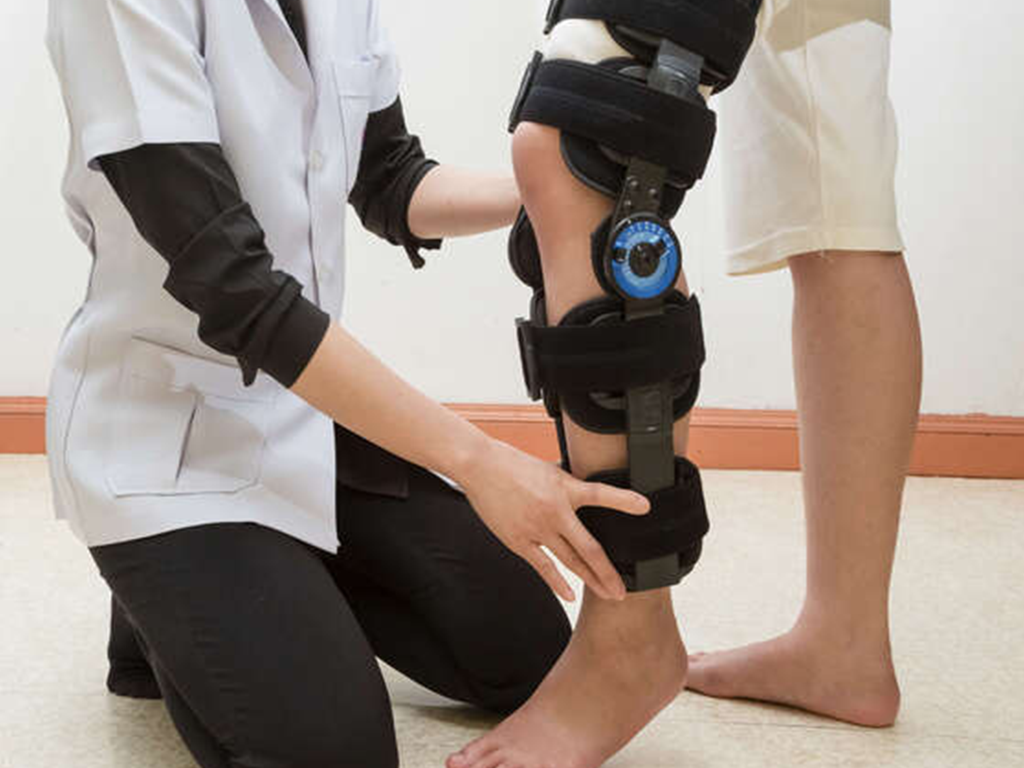
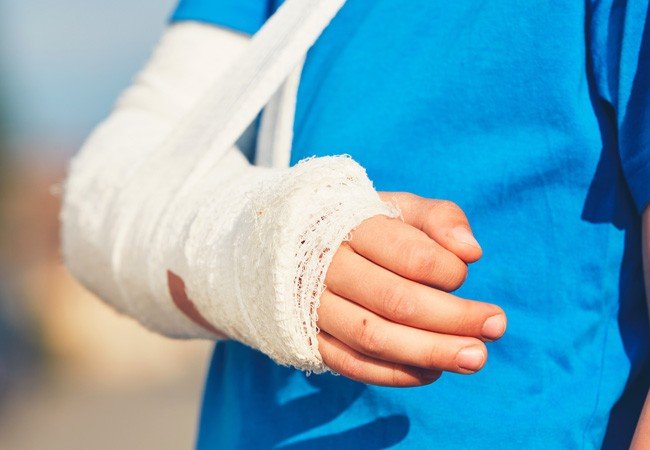
Protecting the fractured bone is one of the most important steps during recovery. Your doctor may recommend a cast, splint, brace, or other support to keep the bone stable.

Avoid putting weight on the injured leg or foot unless your doctor has permitted it. If you have a fracture in your arm or wrist, follow the recommended lifting and movement restrictions.

Do not remove a cast or brace yourself. Also, avoid adjusting it without medical advice. Moving the injured area too early can interfere with healing.

Remember: Pain may decrease before the bone has fully healed. Feeling better does not necessarily mean that it is safe to resume normal activities.

2. Take Care of Your Cast or Dressing

If your fracture is treated with a cast, keeping it in good condition is essential. A damaged or poorly fitted cast may not provide adequate support.

Follow these precautions:

  • Keep the cast dry unless your doctor says it is waterproof.
  • Do not insert pens, sticks, or other objects inside it to scratch your skin.
  • Avoid cutting or modifying the cast.
  • Check the exposed fingers or toes for unusual swelling or colour changes.
  • Contact your doctor if the cast becomes loose, cracked, or excessively tight.

If you have undergone fracture surgery, follow the wound-care instructions provided by your medical team. Keep the dressing clean and dry as directed.

Seek medical attention if you notice increasing redness, discharge, fever, or worsening pain around the surgical wound.

3. Manage Pain and Swelling Safely

Pain and swelling are common after a fracture. However, they should gradually improve according to the nature of the injury and the treatment provided.

Your doctor may recommend keeping the injured limb elevated. This can help reduce swelling, particularly during the early stages of recovery.

Applying ice may also help in some cases. However, the method depends on whether you have a cast, dressing, or surgical wound. Ask your doctor how to apply ice safely without getting the cast or dressing wet.

Take prescribed medicines according to the recommended dose and schedule. Avoid starting new painkillers or other medicines without medical advice.

If you experience severe or increasing pain, new numbness, tingling, or pale, blue, or cold fingers or toes, seek urgent medical assessment.

4. Follow a Bone-Healthy Diet

Nutrition plays an important role in bone repair. Your body needs adequate protein, vitamins, and minerals to support the healing process.

Include a variety of nutritious foods in your daily meals.

Calcium-rich foods: Milk, curd, paneer, and suitable fortified alternatives help provide calcium for bone health.

Protein-rich foods: Dal, beans, lentils, eggs, dairy products, fish, and lean meat support tissue repair.

Vitamin D sources: Fortified foods, eggs, and oily fish can contribute to vitamin D intake. Your doctor may recommend testing or supplementation when necessary.

Fruits and vegetables: These provide vitamins and minerals that support overall health.

Drink enough water and avoid crash diets during recovery. Smoking can delay bone healing, so stopping smoking is strongly recommended. Avoid alcohol or discuss its use with your doctor, particularly if you are taking medication or recovering from surgery.

5. Avoid Heavy Activities Until Your Doctor Allows Them

Returning to normal activities too early can put unnecessary stress on the healing bone. Even if pain has improved, the fracture may not yet be strong enough to withstand heavy loads.

Avoid running, jumping, heavy lifting, and contact sports until your doctor confirms that these activities are safe.

If you have a leg fracture, use crutches, a walker, or other mobility aids as instructed. These devices can help you move safely without placing excessive weight on the injured area.

For patients seeking Fracture Treatment in Sector 51 Gurugram, the return to work, driving, exercise, and sports should depend on the fracture location and the progress of healing.

6. Attend Follow-Up Appointments and Recommended Scans

Regular follow-up visits allow your doctor to assess the healing process. Depending on your injury, you may need physical examinations and X-rays to check the bone’s position and progress.

These appointments also help identify problems such as delayed healing, displacement, or complications following surgery.

Do not skip a scheduled appointment simply because your pain has reduced. Your doctor will decide when the cast or brace can be removed and when you can safely increase activity.

At an orthopaedic clinic offering Fracture Treatment in Sector 51 Gurugram, follow-up care is an important part of planning a safe recovery.

7. Begin Physiotherapy at the Right Time

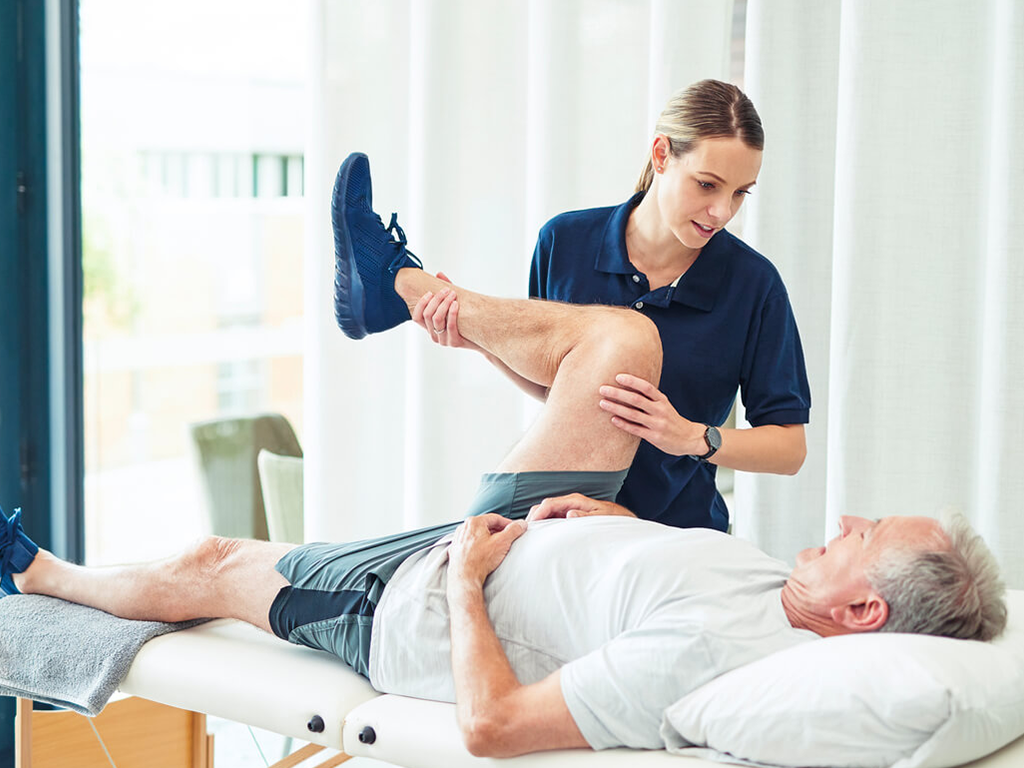
After a fracture, reduced movement can cause muscle weakness, joint stiffness, and difficulty performing everyday tasks. Physiotherapy may help address these problems once your doctor confirms that rehabilitation is appropriate.

Your rehabilitation programme may include:

  • Gentle movements for nearby joints.
  • Exercises to improve flexibility.
  • Gradual muscle-strengthening activities.
  • Balance and walking training, when needed.
  • Functional exercises to support daily activities.

The exercises should match your fracture type and stage of healing. Do not begin strenuous exercises or force a stiff joint without professional guidance.

A gradual rehabilitation plan can help you regain confidence and mobility while reducing the risk of overloading the healing bone.

8. Recognise Warning Signs During Recovery

Most fractures heal without serious complications. However, certain symptoms require prompt medical attention.

Contact your doctor if you notice increasing pain, persistent swelling, a cast that feels too tight, or new difficulty moving the affected fingers or toes.

Seek urgent care for severe pain with numbness, cold or discoloured fingers or toes, sudden shortness of breath, or chest pain. These symptoms may indicate a serious complication.

After surgery, fever, worsening wound redness, or pus-like discharge should also be assessed promptly.

Early medical attention can help prevent a minor concern from becoming a more serious problem.

Conclusion

Recovering from a fracture involves more than resting the injured area. Proper cast or wound care, a balanced diet, activity restrictions, follow-up appointments, and timely physiotherapy all contribute to a safer recovery.

If you need Fracture Treatment in Sector 51 Gurugram, consult an orthopaedic specialist for advice tailored to your injury. Follow your treatment plan carefully, avoid rushing back into strenuous activities, and report unusual symptoms promptly.

At Ortho Plus, patients can seek professional guidance regarding fracture care, recovery, and rehabilitation. Your doctor can help you understand the expected healing timeline and the steps needed to return to daily activities safely.

Frequently Asked Questions

1. How long does a fracture take to heal?

Many fractures take around 6–8 weeks to heal, although some require several months. Healing time depends on the bone involved, fracture severity, age, overall health, and treatment method.

2. Can I walk after fracture treatment?

Walking depends on the location and severity of the fracture. Some patients can walk with support, while others must avoid putting weight on the injured limb. Follow your doctor’s instructions.

3. What foods help support bone healing?

Foods containing protein, calcium, vitamin D, and other essential nutrients can support bone health. Include a balanced diet with dairy or suitable alternatives, pulses, eggs, fruits, and vegetables.

4. When should I start physiotherapy after a fracture?

The appropriate time varies according to the fracture and treatment. Your doctor may recommend certain gentle movements early and introduce strengthening exercises later, once healing allows.

5. What should I avoid after fracture treatment?

Avoid unauthorised weight-bearing, heavy lifting, strenuous exercise, and removing or adjusting a cast yourself. Do not miss follow-up visits, and seek medical advice if pain or swelling worsens.

Leave a Comment

Your email address will not be published. Required fields are marked *

Arthroscopy-Knee, Shoulder

Arthroscopy is a minimally invasive surgical technique used to diagnose and treat various joint problems using a small camera (arthroscope) and specialized instruments. It allows the surgeon to view the inside of the knee or shoulder joint through tiny incisions, resulting in less pain, faster recovery, and minimal scarring compared to open surgery.

Advantages of Arthroscopy


  • Smaller incisions, minimal scarring

  • Faster healing and shorter hospital stay

  • Lower risk of infection

  • Early return to work, sports, and routine activities

Joint Replacement

Joint Replacement, also known as arthroplasty, is a surgical procedure where a damaged or worn-out joint is replaced with an artificial implant to restore mobility, relieve pain, and improve quality of life. It is commonly performed for the knee, hip, shoulder, and elbow joints when non-surgical treatments fail to provide relief.

When Joint Replacement is Needed


  • Severe joint pain affecting daily activities

  • Advanced osteoarthritis or rheumatoid arthritis

  • Persistent stiffness and swelling

  • Joint damage caused by injuries or fractures

  • Poor mobility and reduced quality of life despite medications, physiotherapy, or injections

Hip Replacement

Hip Replacement, also known as hip arthroplasty, is a surgical procedure where the damaged or worn-out parts of the hip joint are replaced with artificial implants. It is recommended for patients suffering from severe hip pain, stiffness, and restricted mobility caused by conditions like osteoarthritis, rheumatoid arthritis, fractures, or degenerative joint diseases.

When Hip Replacement is Needed


  • Persistent hip pain affecting daily activities

  • Limited mobility and difficulty walking or standing

  • Joint stiffness unresponsive to medications or physiotherapy

  • Hip fractures or severe joint damage

  • Poor quality of life due to chronic discomfort

Meniscus Repair

Meniscus Repair is a minimally invasive surgical procedure to fix a torn meniscus — the C-shaped cartilage in the knee that cushions and stabilizes the joint. Meniscus tears often occur due to sports injuries, sudden twisting movements, or age-related degeneration, leading to pain, swelling, and restricted knee movement.

When Meniscus Repair is Needed


  • Persistent knee pain and swelling

  • Locking or catching sensation in the knee

  • Restricted mobility and instability

  • Tears caused by sports injuries or accidents

  • To prevent long-term complications like arthritis

PCL Reconstruction

Posterior Cruciate Ligament (PCL) Reconstruction is a surgical procedure performed to repair or replace a torn PCL — one of the key ligaments that stabilize the knee joint. PCL injuries usually occur due to road accidents, sports injuries, or direct impact to the knee and can cause instability, pain, and difficulty in movement.

When PCL Reconstruction is Needed


  • Complete or severe PCL tear

  • Knee instability, especially when walking downhill or climbing stairs

  • Persistent pain and swelling unresponsive to physiotherapy

  • Multiple ligament injuries in the knee

  • For athletes or active individuals aiming to regain full knee function

ACL Reconstruction

Anterior Cruciate Ligament (ACL) Reconstruction is a surgical procedure to repair or replace a torn ACL — one of the major ligaments that stabilize the knee. It’s commonly required after sports injuries, accidents, or sudden twisting movements that cause knee instability.


When ACL Reconstruction is Needed


  • Complete or partial ACL tear

  • Knee instability during walking, running, or climbing stairs

  • Frequent knee buckling or giving way

  • Persistent pain and swelling despite physiotherapy

  • For athletes aiming to return to high-demand sports

Knee Replacement

Knee Replacement, also known as knee arthroplasty, is a surgical procedure performed to replace damaged or worn-out knee joint surfaces with artificial implants. It is recommended for patients with severe knee pain, stiffness, and mobility issues caused by osteoarthritis, rheumatoid arthritis, injuries, or degenerative joint diseases.

When Knee Replacement is Needed


  • Persistent knee pain affecting daily activities

  • Stiffness and swelling unresponsive to medications or physiotherapy

  • Severe joint damage due to arthritis or trauma

  • Reduced mobility and quality of life

Robotic Joint Replacement

Robotic Joint Replacement is an advanced surgical technique that uses cutting-edge robotic technology to perform highly precise joint replacement procedures, most commonly for the knee, hip, and shoulder. It enhances accuracy, minimizes tissue damage, and improves overall recovery outcomes compared to traditional methods.

Key Benefits of Robotic Joint Replacement


  • High Precision: Robotic systems create a 3D model of the joint, enabling accurate bone cutting and implant placement.

  • Personalized Surgery: Treatment plans are customized based on each patient’s anatomy.

  • Minimally Invasive: Smaller incisions mean less blood loss, reduced pain, and faster recovery.

  • Improved Implant Longevity: Accurate alignment reduces wear and tear, extending implant life.

  • Faster Rehabilitation: Patients regain mobility and return to normal activities sooner.

Fracture Treatment

Fracture treatment involves diagnosing, aligning, stabilizing, and supporting broken bones to ensure proper healing and restore normal function. The approach depends on the type, location, and severity of the fracture.

Types of Fractures


  • Simple (Closed) Fracture: Bone breaks but skin remains intact.

  • Compound (Open) Fracture: Bone pierces through the skin, increasing infection risk.

  • Greenstick Fracture: Incomplete break, common in children.

  • Comminuted Fracture: Bone shatters into multiple pieces.

  • Stress Fracture: Small cracks due to repetitive stress.

  • Pathological Fracture: Caused by underlying conditions like osteoporosis or cancer.

Lumbar Spondylolisthesis

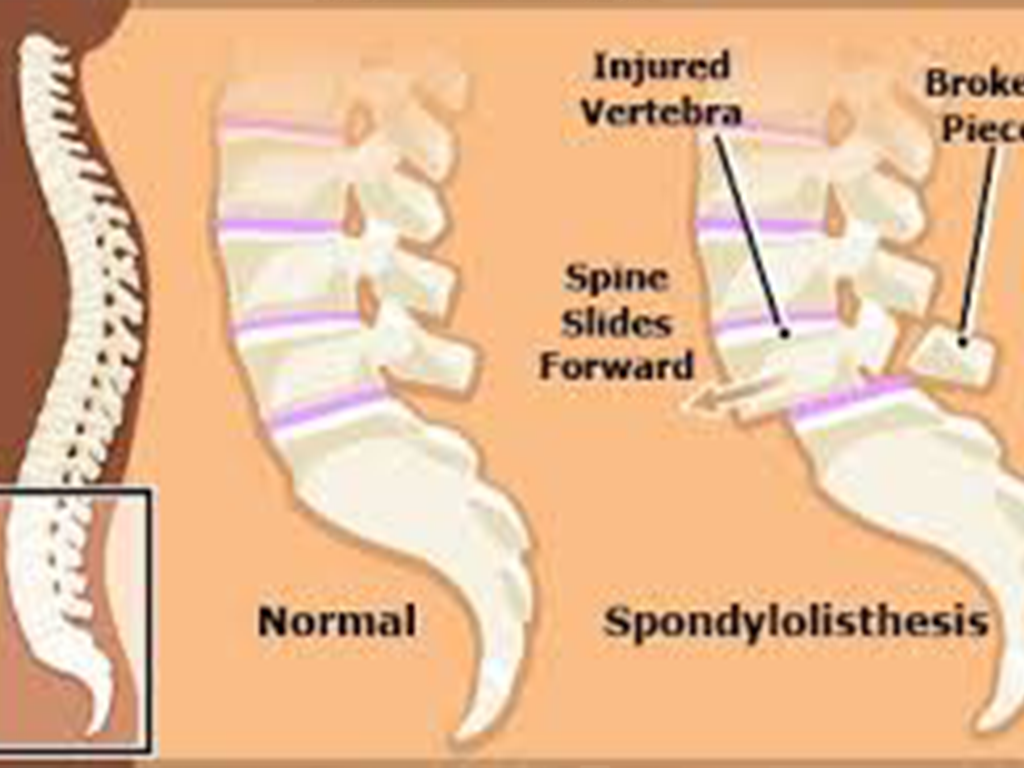
Lumbar Spondylolisthesis is a spinal condition where one of the vertebrae in the lower back (lumbar spine) slips forward over the vertebra beneath it. This misalignment can cause lower back pain, stiffness, nerve compression, and sometimes leg pain or weakness.

It commonly affects the L4-L5 and L5-S1 levels and can range from mild to severe based on the degree of slippage

Causes


  • Age-related degeneration of discs and joints

  • Repetitive stress from sports or heavy lifting

  • Spinal trauma or fractures

  • Congenital defects

  • Spinal tumors or infections

  • Post-surgical instability

Cervical Radiculopathy

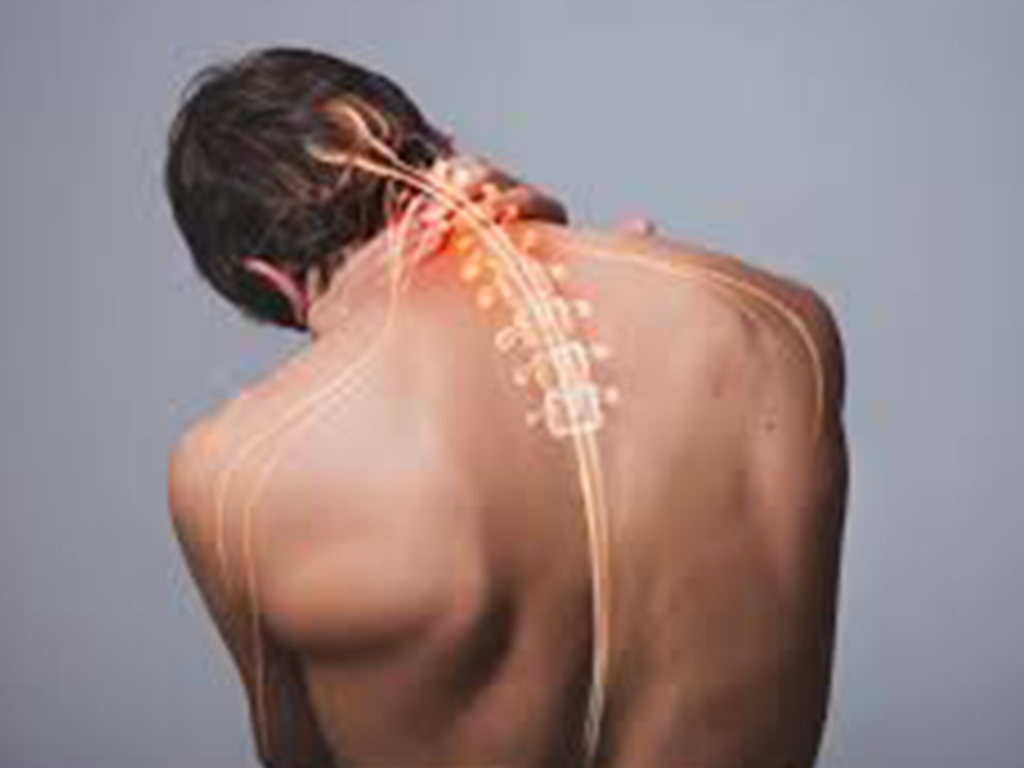
Cervical Radiculopathy — commonly referred to as a pinched nerve in the neck — is a condition where a nerve root in the cervical spine (neck region) becomes compressed or irritated. This can cause pain, numbness, tingling, and weakness that radiates from the neck into the shoulders, arms, and hands.

It usually occurs due to degenerative changes, disc herniation, or trauma and is more common in people aged 30 to 60 years.

Causes of Cervical Radiculopathy


Cervical radiculopathy develops when the nerve roots exiting the spinal cord become compressed or inflamed. Common causes include:

  • Cervical Disc Herniation: Displaced disc material presses on nerve roots.

  • Degenerative Disc Disease: Age-related wear and tear causes narrowing.

  • Cervical Spondylosis (Arthritis): Bone spurs can compress nerves.

  • Spinal Stenosis: Narrowing of the spinal canal.

  • Trauma or Injury: Sudden impact damaging discs or vertebrae.

  • Repetitive Strain: Poor posture, heavy lifting, or prolonged screen time.

Arthritis condition

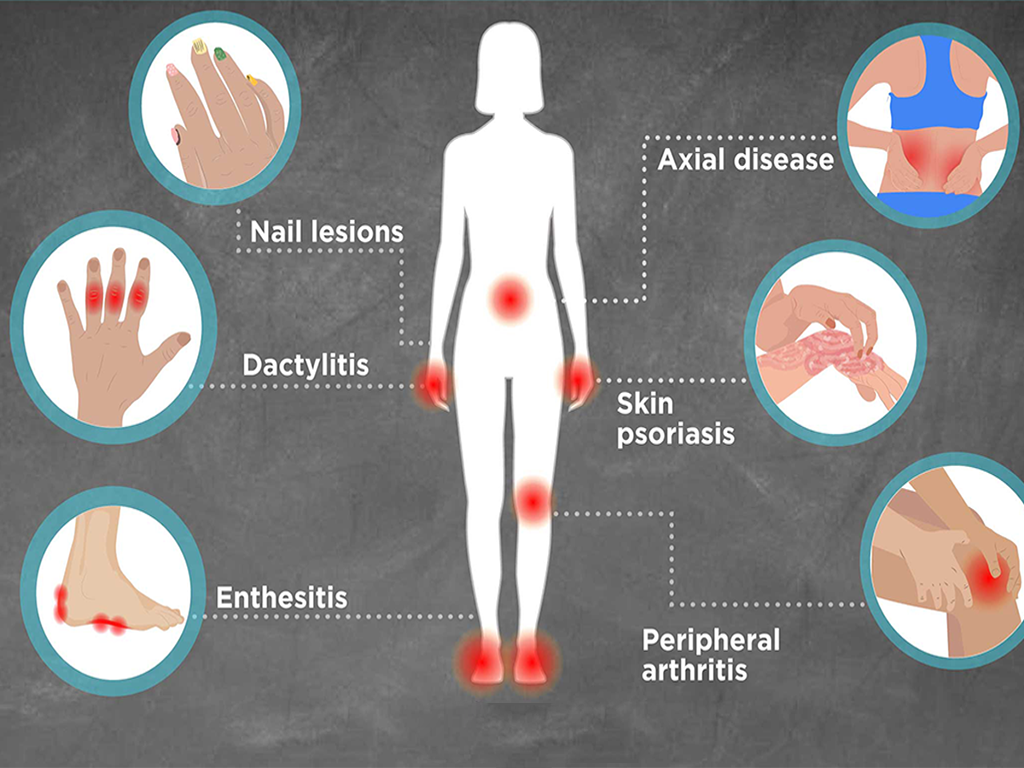
Arthritis is a general term used to describe a group of conditions that cause inflammation, pain, stiffness, and reduced mobility in one or more joints. It affects people of all age groups and can range from mild discomfort to severe disability if not managed properly.

There are over 100 types of arthritis, but the most common are Osteoarthritis (OA) and Rheumatoid Arthritis (RA).

Common Symptoms of Arthritis


  • Persistent joint pain and tenderness

  • Swelling around affected joints

  • Stiffness, especially in the morning or after inactivity

  • Redness and warmth over the joint

  • Difficulty performing daily activities

  • In severe cases, joint deformity

Rotator Cuff Injury Rehab

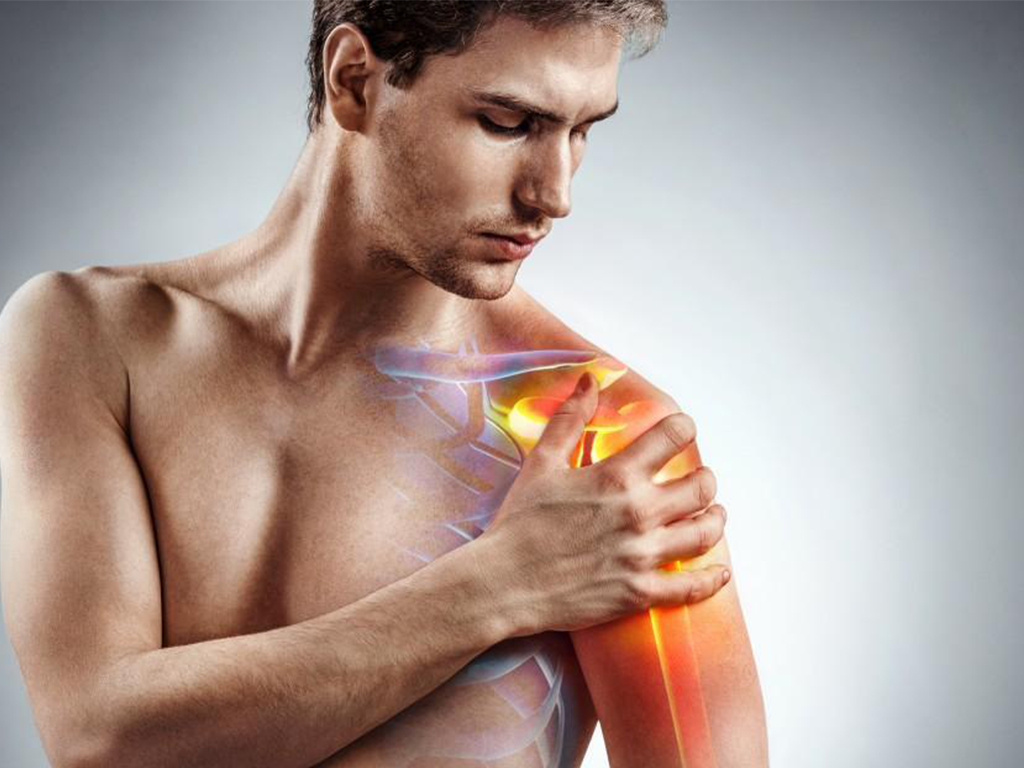
Rotator Cuff Injury Rehabilitation is a structured recovery program designed to restore shoulder strength, flexibility, and function after a rotator cuff injury. It can be used both post-surgery and for non-surgical management of partial tears, tendonitis, or impingement. A well-planned rehab protocol helps reduce pain, regain mobility, and prevent re-injury.

Goals of Rotator Cuff Injury Rehabilitation


  • Reduce pain and inflammation

  • Restore shoulder mobility and flexibility

  • Strengthen rotator cuff and surrounding muscles

  • Improve shoulder stability and prevent stiffness

  • Enable return to sports, work, and daily activities

Total knee Replacement Rehab

Total Knee Replacement Rehabilitation (TKR Rehab) is a structured recovery program designed to help patients regain mobility, strength, and function after undergoing Total Knee Replacement surgery. A well-planned rehab program is critical for a successful outcome, helping patients return to daily activities faster, minimize stiffness, reduce pain, and improve the longevity of the knee implant.

Goals of TKR Rehabilitation


  • Control Pain & Swelling after surgery

  • Restore Knee Mobility and flexibility

  • Rebuild Strength in thigh, hip, and calf muscles

  • Improve Balance & Walking Patterns

  • Enhance Quality of Life by enabling independent movement

  • Prevent Complications such as stiffness, clot formation, and implant loosening

Post Surgical Rehab

Post-Surgical Rehabilitation (Post-Surgical Rehab) is a structured recovery program designed to restore mobility, strength, and function after surgery. It plays a vital role in ensuring optimal healing, reducing pain, preventing complications, and helping patients return to daily activities and sports faster. Whether you’ve undergone orthopedic surgery, joint replacement, spine surgery, or trauma repair, a personalized rehabilitation plan is essential for a successful recovery.

Goals of Post-Surgical Rehabilitation


  • Accelerate Healing – Stimulates circulation and tissue repair

  • Reduce Pain & Swelling – Through targeted therapy and exercises

  • Restore Mobility – Regain flexibility and range of motion

  • Rebuild Strength – Improve muscle support around the surgical site

  • Prevent Complications – Reduce risks of stiffness, scar tissue, and re-injury

  • Enhance Overall Function – Help patients return to daily activities quickly and safely

Call Now Button