A fracture can affect your mobility, comfort, and daily routine, but timely treatment and proper rehabilitation can make the recovery process smoother. If you are considering Fracture Treatment in Gurugram Sector 51, one of the first questions you may have is, “How long will it take to recover?” The answer depends on the type of fracture, its location, severity, your age, overall health, and the treatment provided. At Ortho Plus, fracture care focuses on accurate diagnosis, appropriate treatment, and guided rehabilitation to help patients regain movement safely.
In general, some fractures may heal within a few weeks, while more complex fractures can take several months. Importantly, feeling less pain does not always mean that the bone has completely healed. The bone must become strong enough before you return to normal activities.
For fast information, contact us on WhatsApp.
What Determines Fracture Recovery Time?
Every fracture is different. Therefore, there is no single recovery timeline that applies to every patient seeking Fracture Treatment in Gurugram Sector 51.
Several factors can influence healing:
- Type of fracture: Simple fractures may heal faster than displaced or comminuted fractures.
- Location of the fracture: Different bones have different healing timelines.
- Severity of the injury: Multiple-fragment or open fractures may require longer recovery.
- Age: Bone healing can vary with age.
- Overall health: Certain medical conditions can affect bone healing.
- Treatment method: Casting, bracing, reduction, or surgery may be recommended depending on the injury.
- Rehabilitation: Following prescribed exercises and activity restrictions can support functional recovery.
The American Academy of Orthopaedic Surgeons notes that fracture healing can range from around 3–4 weeks for some finger fractures to several months for more complicated injuries.
Fracture Treatment in Gurugram Sector 51: What Happens First?
The first step is a detailed assessment of the injury. At Ortho Plus, fracture treatment may include clinical examination and appropriate imaging to understand the location and nature of the fracture.
Depending on the injury, treatment may involve:
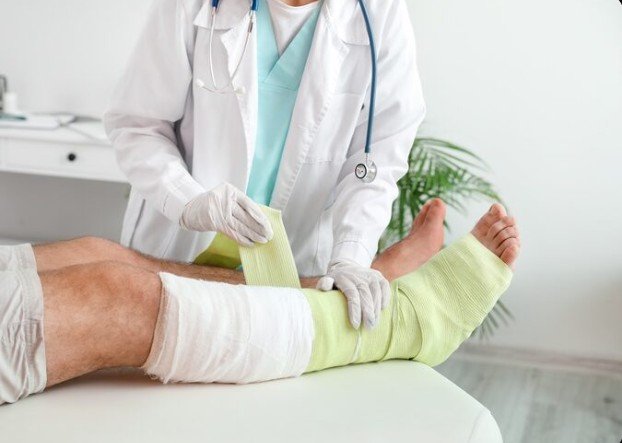
- Cast or splint immobilization
- Realignment of displaced bones
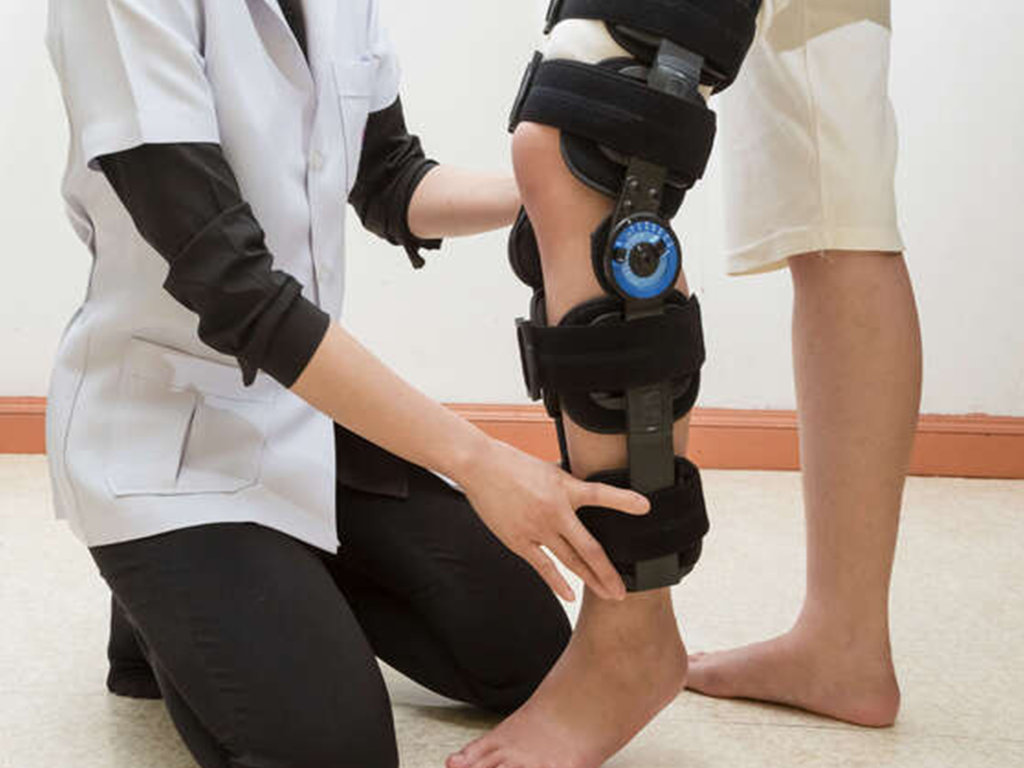
- Bracing
- Pain management
- Surgical fixation with plates, screws, or rods when required
- Physiotherapy and rehabilitation
Ortho Plus provides fracture care and trauma management, including diagnosis, casting, splinting, and surgical care when appropriate.
The objective is not simply to reduce pain. Proper fracture treatment aims to restore bone alignment, promote healing, and help you regain useful movement.
The First Few Weeks After Fracture Treatment
The early stage of recovery is focused on protecting the injured area. Depending on your fracture, your orthopaedic specialist may recommend a cast, splint, brace, or limited weight-bearing.
You may experience some pain, swelling, stiffness, or reduced movement during this period. These symptoms can gradually improve as healing progresses.
However, avoid increasing your activity simply because you feel better. A fracture can still be vulnerable even after pain has reduced. Your doctor will determine when it is safe to increase movement or put weight on the injured limb.
Follow-up appointments are also important. Your orthopaedic specialist may use repeat X-rays or other imaging to assess how the bone is healing.
When Does the Bone Become Stronger?
Bone healing happens gradually. During this process, the body forms new tissue around the fracture and gradually strengthens the repaired area.
Some fractures show significant healing within six to eight weeks, while others require three to six months or longer. For example, AAOS notes that adult forearm fractures may take around three to six months to fully heal.
An ankle fracture may show early healing after approximately six weeks, while complete healing can take around 10–12 weeks or longer depending on the injury.
This is why your personal recovery timeline after Fracture Treatment in Gurugram Sector 51 should be based on your examination and follow-up assessments rather than a general estimate.
The Role of Physiotherapy After Fracture Treatment
Healing the bone is only one part of recovery. After immobilization or surgery, muscles can become weaker and joints may become stiff.
Physiotherapy can help restore:
- Joint movement
- Muscle strength
- Flexibility
- Balance
- Functional mobility
- Confidence while walking or using the affected limb
Ortho Plus provides post-surgical rehabilitation designed to improve mobility, strength, flexibility, and overall function following orthopaedic procedures.
Your rehabilitation plan should be gradual. Exercises that are appropriate at one stage may not be suitable immediately after a fracture. Always follow the exercise and weight-bearing instructions provided by your healthcare team.
How Can You Support Faster and Safer Recovery?
Although you cannot control every aspect of bone healing, you can support the recovery process by following your treatment plan carefully.
1. Follow Activity Restrictions
Do not put weight on the injured area or return to sports until your orthopaedic specialist allows it.
2. Attend Follow-Up Appointments
Regular assessments help your doctor monitor bone healing and identify problems early.
3. Complete Your Rehabilitation
Perform recommended exercises consistently, but do not push through pain or increase intensity without professional guidance.
4. Maintain Good Nutrition
A balanced diet provides nutrients needed for healthy bones and tissue repair. Calcium and vitamin D are particularly important for bone health.
5. Avoid Smoking
Smoking can negatively affect bone health and may contribute to delayed healing.
When Can You Return to Normal Activities?
Returning to work, driving, exercise, or sports depends on the fracture and your individual progress. Some people can resume light daily activities relatively quickly, while others need several months.
For example, recovery from an ankle fracture may allow many patients to return to normal activities within three to four months, although more complicated injuries can take considerably longer.
Your pain level alone should not determine whether you return to activity. Your bone strength, movement, muscle function, and clinical or imaging assessment are also important.
If you have undergone Fracture Treatment in Gurugram Sector 51, discuss your specific activity goals with your orthopaedic specialist before returning to demanding physical work or sports.
Why Choose Ortho Plus for Fracture Care?
Choosing the right orthopaedic care can make a meaningful difference during fracture recovery. Ortho Plus provides comprehensive orthopaedic and musculoskeletal care in Gurugram, including fracture care, trauma management, surgical treatment, and rehabilitation.
The clinic has a location in Sector 51, Gurugram, and provides patient-focused orthopaedic services with an emphasis on diagnosis, treatment, and post-treatment support.
The goal of Fracture Treatment in Gurugram Sector 51 at Ortho Plus is to help patients move from injury and immobilization toward safe mobility and functional recovery.
Conclusion
Fracture recovery does not follow the same timeline for everyone. A minor fracture may heal within several weeks, while a complex fracture can require months of treatment and rehabilitation. Your age, fracture type, injury severity, treatment method, general health, and adherence to rehabilitation can all influence the outcome.
If you need Fracture Treatment in Gurugram Sector 51, timely assessment is important. At Ortho Plus, a personalized approach can help determine the appropriate treatment and recovery plan for your injury. Remember that complete recovery involves more than simply waiting for the bone to heal. Protecting the fracture, attending follow-ups, completing rehabilitation, and gradually returning to activity are all important steps toward restoring strength and mobility.
For personalized guidance, consult an orthopaedic specialist at Ortho Plus and follow the recovery plan recommended for your specific fracture.