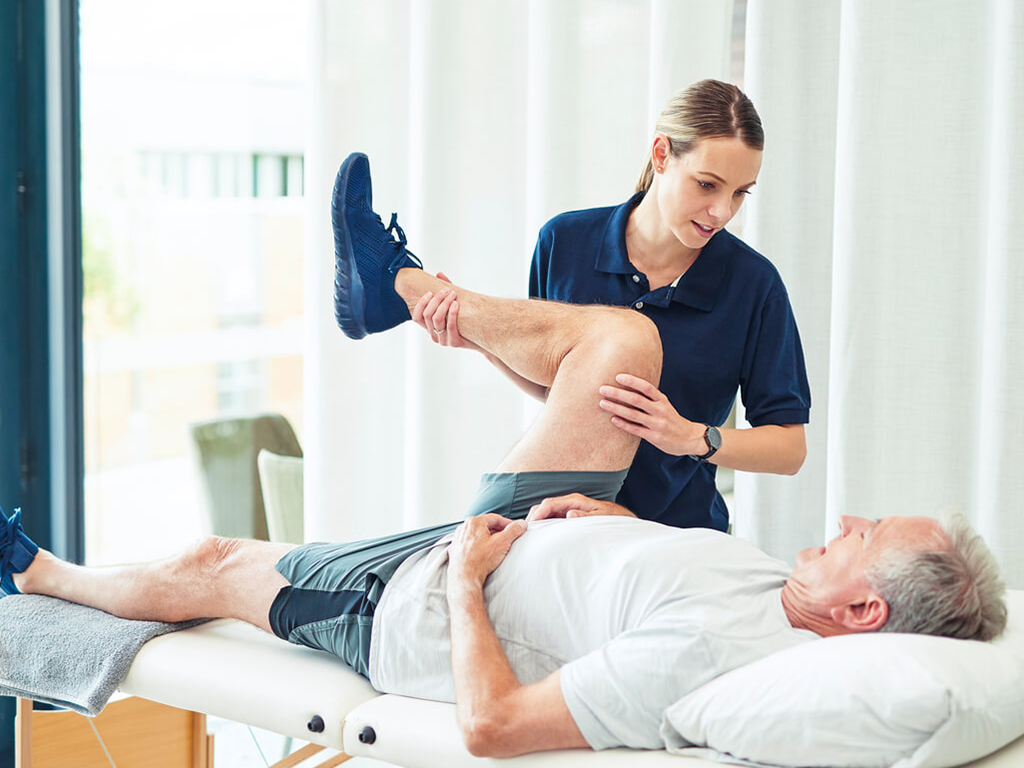
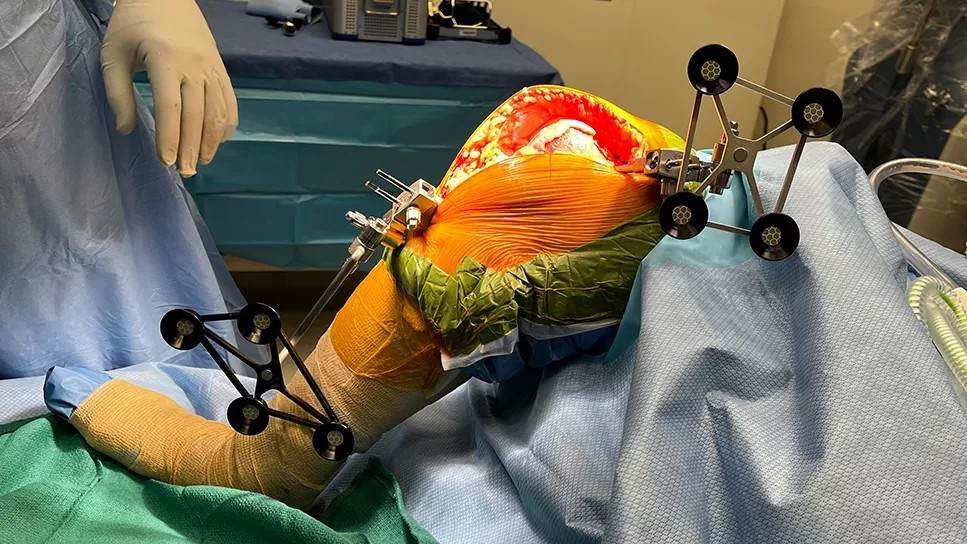
When persistent knee pain starts affecting your ability to walk, climb stairs, work, sleep, or enjoy daily activities, finding the right orthopaedic specialist becomes an important decision. Knee and joint problems can gradually affect mobility and quality of life, especially when conservative treatment no longer provides adequate relief.
For patients looking for advanced orthopaedic treatment in Gurugram, robotic knee replacement in India, knee replacement surgery in Delhi NCR, joint replacement treatment in Haryana, or an experienced orthopaedic surgeon in India, Dr. Guruditta Khurana provides comprehensive evaluation and treatment for a wide range of bone, joint, and sports-related conditions.
For fast information, contact us on WhatsApp.
With a clinical focus on Robotic Joint Replacement, Knee Replacement, Hip Replacement, Arthroscopy, Sports Injuries, Complex Orthopaedic Conditions, and Fracture Care, Dr. Guruditta Khurana offers patient-focused orthopaedic care through his practice locations in Gurugram.
Where Can You Consult Dr. Guruditta Khurana?
Patients can consult Dr. Guruditta Khurana at orthopaedic care locations in Sector 51, Gurugram, Haryana.
1. CK Birla Hospital, Gurugram
CK Birla Hospital
Block J, Mayfield Garden
Sector 51, Gurugram
Haryana – 122018
India
Dr. Guruditta Khurana is associated with CK Birla Hospital, Gurugram, where his clinical focus includes robotic joint replacement of the knee and hip, complex and revision joint replacement, arthroscopy, and sports medicine.
Patients searching for a knee replacement surgeon in Sector 51 Gurugram, joint replacement doctor in Gurgaon, robotic knee replacement consultation, or an orthopaedic specialist in Delhi NCR can seek appropriate evaluation based on their individual condition.
2. OrthoPlus Care, Sector 51, Gurugram
OrthoPlus Care
51, Sector 51
Gurugram, Samaspur
Haryana – 122001
India
OrthoPlus Care provides an additional consultation location for patients seeking orthopaedic and musculoskeletal care in Gurugram.
This can be convenient for people searching for:
- Orthopaedic Doctor near Sector 51 Gurugram
- Knee Pain Doctor Sector 51
- Orthopaedic Clinic in Gurugram
- Joint Pain Specialist near me
- Robotic Knee Replacement Consultation Gurugram
- Knee Replacement Doctor near Delhi NCR
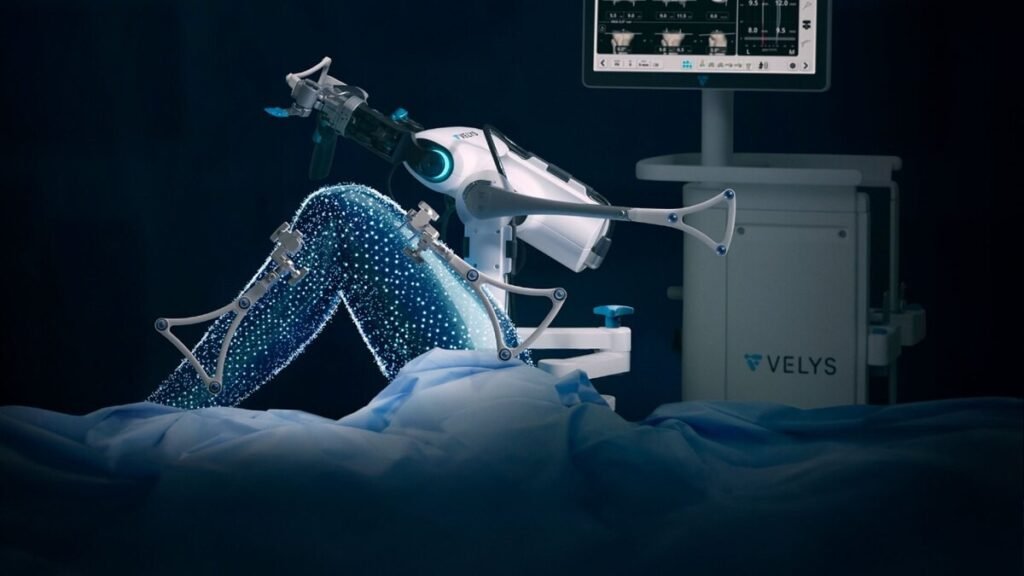
Dr. Guruditta Khurana – Orthopaedic and Robotic Joint Replacement Care
Dr. Guruditta Khurana is an orthopaedic surgeon practising in Gurugram with qualifications including:
MBBS | D.ORTHO (Medalist) | FIJR (Robotic)
His areas of clinical focus include modern orthopaedic and joint replacement procedures along with the treatment of sports injuries and other musculoskeletal conditions.
Areas of Clinical Focus
- Robotic Knee Replacement
- Robotic Hip Replacement
- Total Knee Replacement
- Partial Knee Replacement
- Complex Knee Replacement
- Revision Knee Replacement
- Hip Replacement Surgery
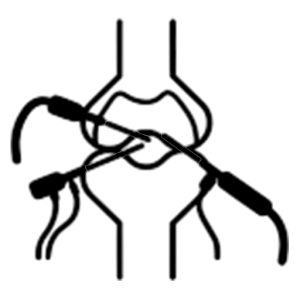
- Arthroscopic Knee Surgery
- ACL Reconstruction
- PCL Reconstruction
- Meniscus Treatment
- Sports Injury Treatment
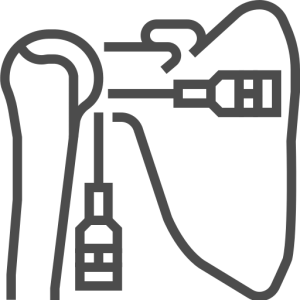
- Shoulder Arthroscopy
- Shoulder Surgery
- Arthritis Management
- Fracture and Trauma Care
- Bone and Joint Disorders
Robotic Knee Replacement: A Modern Approach to Knee Arthritis
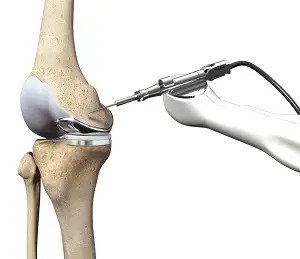
Robotic Knee Replacement is an advanced technology-assisted approach that may be used for suitable patients requiring knee replacement surgery.
Modern joint replacement is not simply about replacing a damaged joint. Proper planning involves understanding several aspects of a patient’s condition, including:
- Knee anatomy
- Severity of arthritis
- Knee alignment
- Joint deformity
- Ligament balance
- Functional requirements
- General health
Robotic and computer-assisted technology can support the surgeon during specific stages of surgical planning and execution.
Depending on the surgical system and clinical approach, robotic technology may assist with:
- Patient-specific planning
- Understanding knee anatomy
- Planning bone preparation
- Precision-oriented surgical execution
- Implant positioning
- Alignment assessment
- Joint balance evaluation
However, the surgeon remains in control of the operation and makes the important clinical decisions throughout the procedure.
Who Should Consider Robotic Knee Replacement?
Robotic knee replacement may be considered for suitable patients experiencing:
- Advanced knee osteoarthritis
- Severe knee arthritis
- Persistent knee pain
- Difficulty walking
- Pain while climbing stairs
- Knee stiffness
- Progressive knee deformity
- Reduced mobility
- Reduced quality of life
- Inadequate relief from appropriate non-surgical treatment
A detailed orthopaedic consultation is essential before deciding whether robotic knee replacement, conventional knee replacement, partial knee replacement, or non-surgical treatment is the most appropriate option.
From Knee Pain to Advanced Joint Replacement: A Complete Treatment Approach
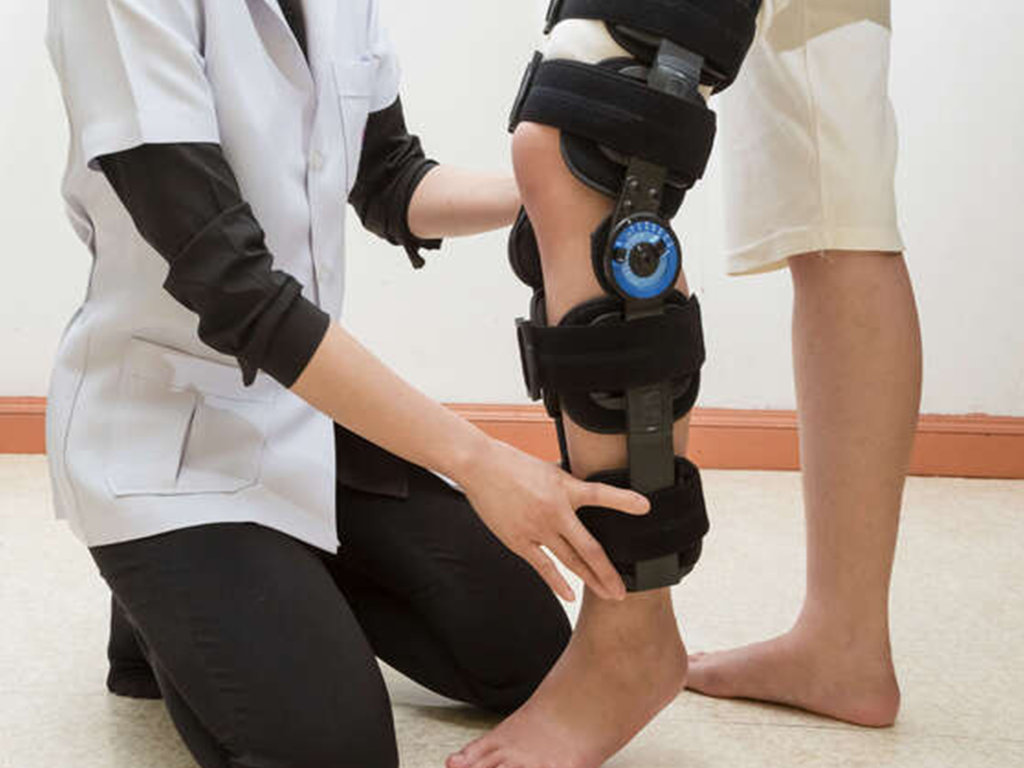
Not every patient who visits an orthopaedic doctor for knee pain requires surgery. The treatment pathway usually begins with a detailed assessment of symptoms, physical examination, and appropriate imaging.
Depending on the diagnosis, treatment options may include both non-surgical and surgical approaches.
Non-Surgical Knee Treatment
For many patients, conservative treatment may be considered first. Options can include:
- Activity modification
- Physiotherapy
- Quadriceps strengthening
- Mobility exercises
- Weight management where appropriate
- Medication when clinically indicated
- Injection-based treatment where appropriate
- Joint preservation strategies
Surgical Treatment
When joint damage becomes advanced and symptoms significantly affect daily life, surgical treatment may be considered. Depending on the diagnosis, options may include:
- Arthroscopy in appropriate conditions
- Ligament reconstruction
- Partial Knee Replacement
- Total Knee Replacement
- Robotic-Assisted Knee Replacement
- Revision Knee Replacement
The right treatment should always be selected according to the individual’s medical condition rather than following a one-size-fits-all approach.
Total Knee Replacement in Gurugram and India
Total Knee Replacement, also known as Total Knee Arthroplasty, is a procedure in which damaged surfaces of the knee joint are replaced with artificial components.
Patients searching for a Best Knee Replacement Surgeon in India, Total Knee Replacement in Gurugram, Knee Replacement Surgery in Delhi NCR, or a Knee Replacement Specialist in Gurgaon should undergo a detailed orthopaedic assessment before proceeding with surgery.
Important factors that may be considered include:
- Severity of arthritis
- Knee deformity
- Previous treatments
- Medical history
- Bone quality
- Functional expectations
- Rehabilitation requirements
A thorough evaluation helps the specialist determine whether total knee replacement or another treatment option is more suitable.
Robotic Knee Replacement vs Conventional Knee Replacement
Both conventional and robotic-assisted knee replacement are established approaches performed by trained orthopaedic surgeons.
Robotic technology can provide additional information and assistance during selected stages of surgery. Potential areas where technology may assist include:
- Surgical planning
- Bone preparation
- Alignment assessment
- Implant positioning
- Joint balance evaluation
However, robotic surgery is not automatically the best option for every patient.
A successful knee replacement journey depends on several important factors:
Correct Diagnosis + Appropriate Patient Selection + Surgical Expertise + Suitable Technology + Implant Selection + Rehabilitation
This is why consulting an experienced orthopaedic and joint replacement specialist is an important step before making a treatment decision.
Advanced Orthopaedic Care Beyond Knee Replacement
Orthopaedic care covers much more than knee replacement. Dr. Guruditta Khurana’s practice also focuses on evaluating and managing a wide range of musculoskeletal conditions.
Sports Injuries
Sports and activity-related injuries can involve different structures of the body, including:
- ACL tears
- PCL injuries
- Meniscus tears
- Ligament injuries
- Cartilage injuries
- Shoulder instability
- Tendon injuries
Arthroscopic or minimally invasive procedures may be considered where clinically appropriate.
Hip Problems and Hip Replacement
Hip arthritis and advanced hip joint damage can significantly affect walking, movement, and quality of life. Depending on the severity of the condition, treatment may range from conservative management to Hip Replacement Surgery for suitable patients.
Shoulder Conditions
Persistent shoulder pain can be associated with different conditions, including:
- Rotator cuff injuries
- Shoulder instability
- Recurrent dislocation
- Frozen shoulder
- Labral injuries
- Shoulder arthritis
An orthopaedic assessment can help identify the underlying cause and guide appropriate treatment.
Fracture and Trauma Care
Orthopaedic trauma can involve simple or complex fractures. Treatment depends on the nature and severity of the injury and may include careful assessment, immobilisation, or surgical management when required.
Why Patients from Across India Choose Gurugram for Orthopaedic Treatment
Gurugram has developed into an important healthcare destination within Delhi NCR and North India. Patients from Delhi, Haryana, and other parts of India may visit Gurugram for advanced orthopaedic consultation and joint replacement treatment.
The city is accessible to patients from:
- Delhi
- Noida
- Greater Noida
- Ghaziabad
- Faridabad
- Sonipat
- Panipat
- Rohtak
- Chandigarh
- Punjab
- Rajasthan
- Uttar Pradesh
- Uttarakhand
- Madhya Pradesh
- Jammu and Kashmir
For patients travelling from outside Gurugram, advance consultation and appropriate medical planning can help determine the next steps.
Two Convenient Orthopaedic Consultation Locations in Gurugram
Patients seeking orthopaedic consultation with Dr. Guruditta Khurana can consider the appropriate location based on their clinical requirements and convenience.
Hospital-Based Orthopaedic Care
CK Birla Hospital, Gurugram
Block J, Mayfield Garden, Sector 51, Gurugram, Haryana – 122018
Clinic-Based Orthopaedic Consultation
OrthoPlus Care, Sector 51, Gurugram
51, Sector 51, Gurugram, Samaspur, Haryana – 122001
These locations provide convenient consultation access for patients from Sector 51, Sector 50, Nirvana Country, South City, Sohna Road, Golf Course Road, and surrounding areas of Gurugram.
Frequently Asked Questions
Who is Dr. Guruditta Khurana?
Dr. Guruditta Khurana is an Orthopaedic Surgeon practising in Gurugram with a clinical focus on robotic joint replacement, knee and hip replacement, complex joint replacement, arthroscopy, sports injuries, and orthopaedic trauma.
Where Does Dr. Guruditta Khurana Practise in Gurugram?
He is associated with CK Birla Hospital, Sector 51, Gurugram, and consultation access is also available at OrthoPlus Care, Sector 51, Gurugram.
Is Robotic Knee Replacement Available in Gurugram?
Robotic and technology-assisted joint replacement options are available at selected advanced orthopaedic centres. The suitability of a particular procedure should be determined after consultation with an orthopaedic specialist.
Is Robotic Knee Replacement Suitable for Every Patient?
No. The choice between robotic-assisted knee replacement, conventional knee replacement, partial knee replacement, or non-surgical treatment depends on the patient’s individual condition and clinical evaluation.
What Conditions Can an Orthopaedic Surgeon Treat?
Orthopaedic specialists evaluate conditions affecting bones, joints, muscles, ligaments, and tendons. These may include arthritis, fractures, sports injuries, knee pain, hip pain, shoulder problems, and joint deformities.
Consult Dr. Guruditta Khurana for Advanced Orthopaedic Care
If you are experiencing persistent knee pain, severe arthritis, hip pain, shoulder pain, a sports injury, ligament injury, or a fracture-related problem, an appropriate orthopaedic evaluation can help identify the underlying condition and available treatment options.
Dr. Guruditta Khurana provides consultation for patients seeking:
- Robotic Knee Replacement in India
- Robotic Joint Replacement in Gurugram
- Knee Replacement Surgery
- Total Knee Replacement
- Partial Knee Replacement
- Revision Knee Replacement
- Hip Replacement
- Knee Arthritis Treatment
- Sports Injury Treatment
- ACL Surgery
- PCL Surgery
- Meniscus Treatment
- Arthroscopic Surgery
- Shoulder Surgery
- Fracture Treatment
- Advanced Orthopaedic Care
Practice Locations
CK Birla Hospital, Gurugram
Block J, Mayfield Garden, Sector 51, Gurugram, Haryana – 122018, India.
OrthoPlus Care, Sector 51, Gurugram
51, Sector 51, Gurugram, Samaspur, Haryana – 122001, India.
Conclusion
For patients searching for an orthopaedic surgeon in Gurugram, knee replacement surgeon in India, robotic knee replacement specialist, joint replacement doctor in Delhi NCR, or advanced orthopaedic care in Haryana, choosing the right treatment pathway begins with a detailed evaluation.
Dr. Guruditta Khurana’s clinical focus includes modern orthopaedic care such as robotic joint replacement, knee replacement, hip replacement, arthroscopy, sports injury treatment, and fracture care.
With consultation access through CK Birla Hospital, Gurugram, and OrthoPlus Care, Sector 51, Gurugram, patients can seek evaluation for a wide range of bone and joint conditions.
The appropriate treatment—whether physiotherapy, medication, arthroscopy, ligament reconstruction, partial knee replacement, total knee replacement, or robotic-assisted joint replacement—should always be determined after an individual clinical assessment.