Best Posture Correction Treatment in Gurugram Sector 51

How does Ortho Plus Care provide the Best Posture Correction Treatment in Gurugram Sector 51?

Poor posture has quietly become one of the most common causes of neck pain, back pain, stiffness, and reduced mobility in today’s lifestyle. At Ortho Plus Care, posture correction is not treated as a temporary fix but as a long-term health solution. By combining medical expertise, modern diagnostics, and personalized therapy plans, Ortho Plus Care is widely trusted for providing the Best Posture Correction Treatment in Gurugram Sector 51.

For fast information, contact us on WhatsApp.

Understanding the Importance of Correct Posture

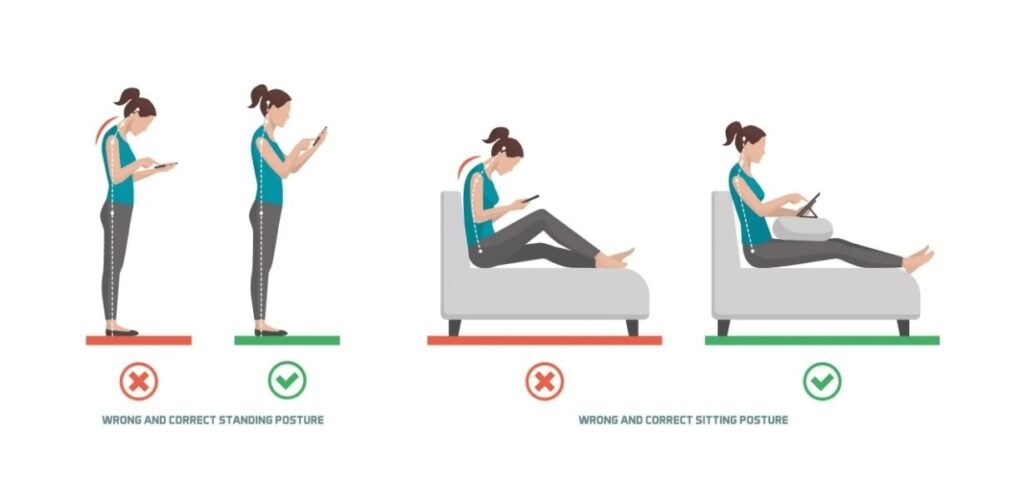
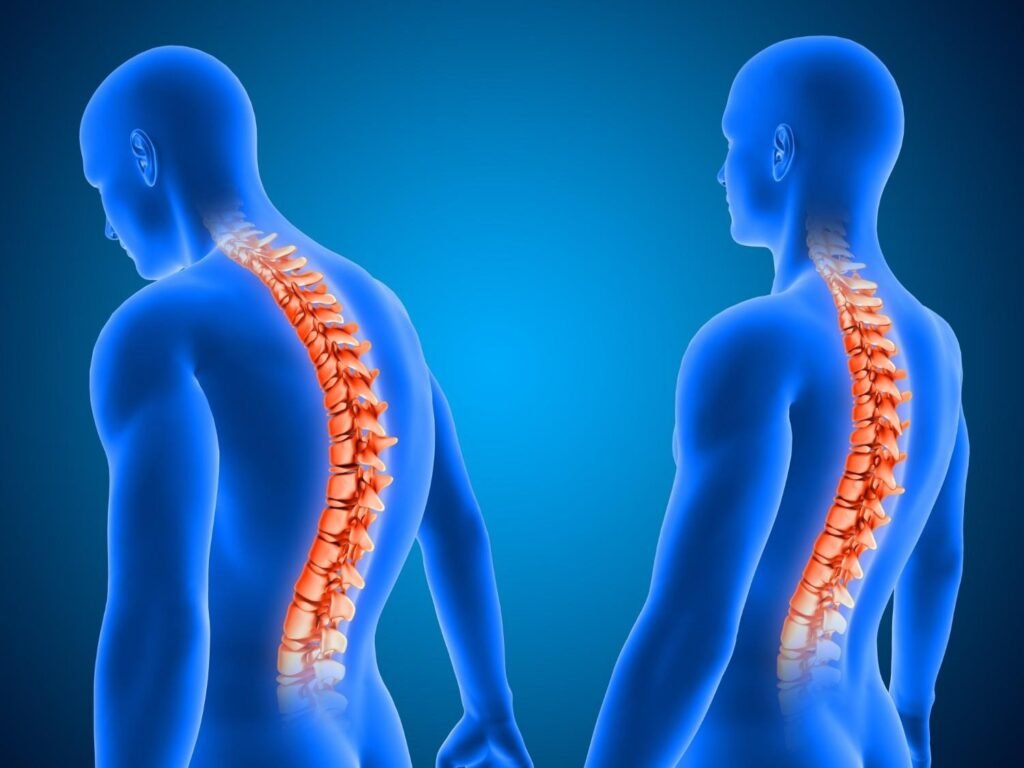
Posture affects more than just how we look. It plays a crucial role in spinal alignment, muscle balance, breathing efficiency, and overall physical performance. Poor posture can lead to chronic pain, nerve compression, fatigue, and reduced quality of life.

Ortho Plus Care emphasizes early identification of posture problems to prevent long-term complications. This proactive approach is one of the reasons patients seek the Best Posture Correction Treatment in Gurugram Sector 51 at this trusted orthopedic care center.
Comprehensive Posture Assessment at Ortho Plus Care

Accurate diagnosis is the foundation of effective posture correction. Ortho Plus Care begins every treatment journey with a detailed posture assessment.

Advanced Evaluation Techniques

The clinic uses:

  • Visual posture analysis
  • Functional movement assessments
  • Spinal alignment evaluation
  • Muscle strength and flexibility testing

These methods help identify imbalances, weak muscle groups, and incorrect movement patterns. Such precision allows Ortho Plus Care to design targeted solutions that define the Best Posture Correction Treatment in Gurugram Sector 51.

Personalized Treatment Plans for Lasting Results

No two posture problems are the same. Ortho Plus Care believes in individualized care rather than generic exercise routines.

Customized Therapy Programs

Each patient receives a treatment plan tailored to:

  • Age and lifestyle
  • Severity of posture imbalance
  • Occupational demands
  • Existing orthopedic conditions

This personalized approach ensures consistent progress and sustainable posture improvement, reinforcing Ortho Plus Care’s reputation for the Best Posture Correction Treatment in Gurugram Sector 51.

Expert-Guided Physiotherapy for Posture Correction

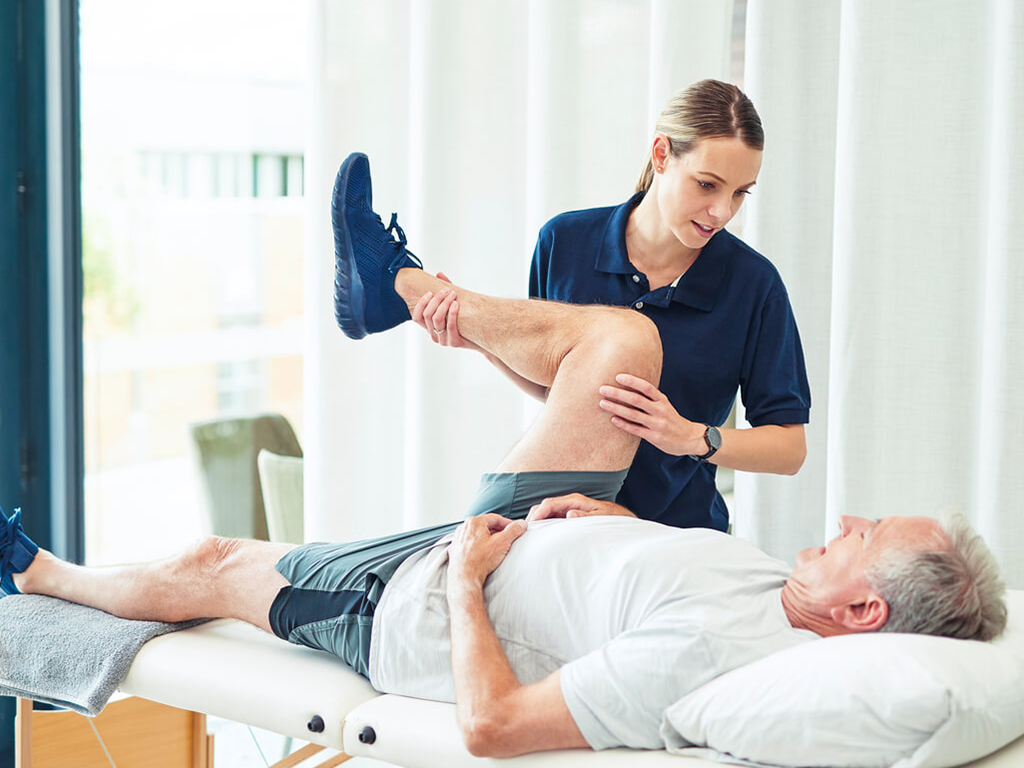
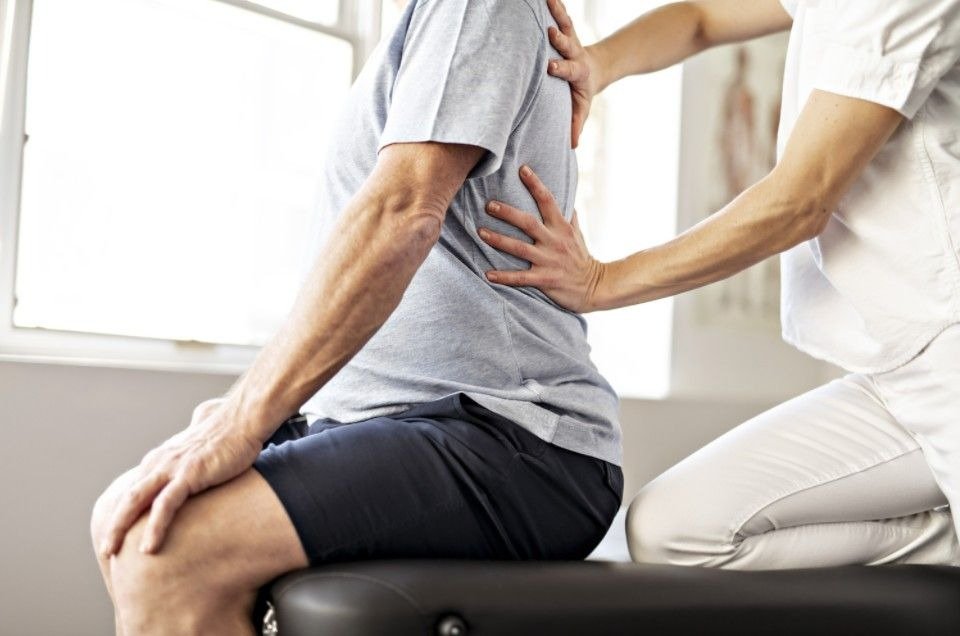
Physiotherapy is a core component of posture correction at Ortho Plus Care. Sessions are guided by experienced professionals trained in orthopedic rehabilitation.

Key Physiotherapy Techniques Include:

  • Postural re-education exercises
  • Core strengthening programs
  • Spinal stabilization techniques
  • Muscle release and flexibility training

These therapies restore muscular balance and spinal alignment while reducing pain and stiffness. Expert supervision ensures exercises are performed safely and effectively.
Integration of Advanced Rehabilitation Technology

Ortho Plus Care integrates modern rehabilitation tools to enhance treatment outcomes.

Technology-Driven Care

The clinic utilizes:

  • Ergonomic assessment tools
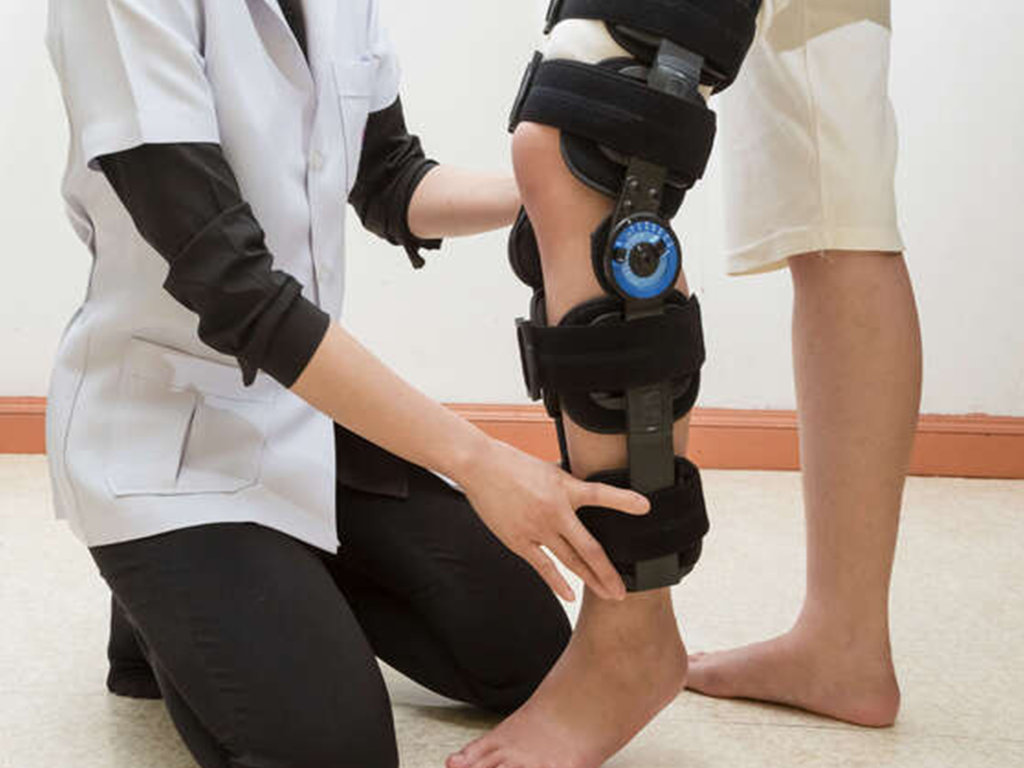
  • Corrective support devices when required
  • Movement correction techniques
  • Progressive rehabilitation protocols

By combining technology with clinical expertise, Ortho Plus Care sets a high standard for the Best Posture Correction Treatment in Gurugram Sector 51.

Lifestyle and Ergonomic Guidance for Daily Life

Posture correction extends beyond the clinic. Ortho Plus Care educates patients on maintaining correct posture during daily activities.

Practical Guidance Includes:

  • Proper sitting and standing posture
  • Ergonomic workplace adjustments
  • Safe lifting techniques
  • Smartphone and screen usage habits

This education empowers patients to prevent posture relapse and maintain long-term spinal health.

Addressing Posture Problems Across All Age Groups

Ortho Plus Care treats posture-related issues across different life stages.

For Children and Adolescents

Early posture correction prevents spinal deformities caused by heavy school bags, prolonged screen time, and poor sitting habits.

For Adults

Professionals facing desk-related posture issues benefit from corrective exercises and ergonomic training.

For Seniors

Posture therapy improves balance, mobility, and reduces the risk of falls and chronic pain.

This age-inclusive approach further strengthens Ortho Plus Care’s role in offering the Best Posture Correction Treatment in Gurugram Sector 51.
Focus on Long-Term Spinal Health

Rather than short-term relief, Ortho Plus Care focuses on building a strong musculoskeletal foundation.

Long-Term Benefits Include:

  • Reduced risk of chronic back and neck pain
  • Improved flexibility and mobility
  • Enhanced physical performance
  • Better breathing and circulation

This commitment to holistic care makes Ortho Plus Care a preferred destination for posture correction.

Why Ortho Plus Care is a Trusted Name in Samaspur

Several factors contribute to Ortho Plus Care’s excellence:

  • Experienced orthopedic and physiotherapy professionals
  • Patient-centric treatment philosophy
  • Evidence-based rehabilitation methods
  • Continuous monitoring and progress evaluation

These elements collectively ensure consistent outcomes and patient satisfaction.

Conclusion

Posture correction is essential for maintaining a pain-free and active life. Ortho Plus Care approaches posture correction with precision, personalization, and professionalism. Through comprehensive assessments, expert physiotherapy, advanced rehabilitation techniques, and lifestyle guidance, the clinic consistently delivers the Best Posture Correction Treatment in Gurugram Sector 51.For individuals seeking long-lasting posture improvement and better spinal health, Ortho Plus Care stands as a reliable and results-driven orthopedic care center committed to patient well-being and functional recovery.

Leave a Comment

Your email address will not be published. Required fields are marked *

Arthroscopy-Knee, Shoulder

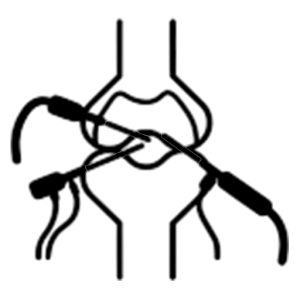
Arthroscopy is a minimally invasive surgical technique used to diagnose and treat various joint problems using a small camera (arthroscope) and specialized instruments. It allows the surgeon to view the inside of the knee or shoulder joint through tiny incisions, resulting in less pain, faster recovery, and minimal scarring compared to open surgery.

Advantages of Arthroscopy


  • Smaller incisions, minimal scarring

  • Faster healing and shorter hospital stay

  • Lower risk of infection

  • Early return to work, sports, and routine activities

Joint Replacement

Joint Replacement, also known as arthroplasty, is a surgical procedure where a damaged or worn-out joint is replaced with an artificial implant to restore mobility, relieve pain, and improve quality of life. It is commonly performed for the knee, hip, shoulder, and elbow joints when non-surgical treatments fail to provide relief.

When Joint Replacement is Needed


  • Severe joint pain affecting daily activities

  • Advanced osteoarthritis or rheumatoid arthritis

  • Persistent stiffness and swelling

  • Joint damage caused by injuries or fractures

  • Poor mobility and reduced quality of life despite medications, physiotherapy, or injections

Hip Replacement

Hip Replacement, also known as hip arthroplasty, is a surgical procedure where the damaged or worn-out parts of the hip joint are replaced with artificial implants. It is recommended for patients suffering from severe hip pain, stiffness, and restricted mobility caused by conditions like osteoarthritis, rheumatoid arthritis, fractures, or degenerative joint diseases.

When Hip Replacement is Needed


  • Persistent hip pain affecting daily activities

  • Limited mobility and difficulty walking or standing

  • Joint stiffness unresponsive to medications or physiotherapy

  • Hip fractures or severe joint damage

  • Poor quality of life due to chronic discomfort

Meniscus Repair

Meniscus Repair is a minimally invasive surgical procedure to fix a torn meniscus — the C-shaped cartilage in the knee that cushions and stabilizes the joint. Meniscus tears often occur due to sports injuries, sudden twisting movements, or age-related degeneration, leading to pain, swelling, and restricted knee movement.

When Meniscus Repair is Needed


  • Persistent knee pain and swelling

  • Locking or catching sensation in the knee

  • Restricted mobility and instability

  • Tears caused by sports injuries or accidents

  • To prevent long-term complications like arthritis

PCL Reconstruction

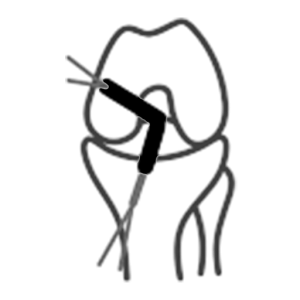
Posterior Cruciate Ligament (PCL) Reconstruction is a surgical procedure performed to repair or replace a torn PCL — one of the key ligaments that stabilize the knee joint. PCL injuries usually occur due to road accidents, sports injuries, or direct impact to the knee and can cause instability, pain, and difficulty in movement.

When PCL Reconstruction is Needed


  • Complete or severe PCL tear

  • Knee instability, especially when walking downhill or climbing stairs

  • Persistent pain and swelling unresponsive to physiotherapy

  • Multiple ligament injuries in the knee

  • For athletes or active individuals aiming to regain full knee function

ACL Reconstruction

Anterior Cruciate Ligament (ACL) Reconstruction is a surgical procedure to repair or replace a torn ACL — one of the major ligaments that stabilize the knee. It’s commonly required after sports injuries, accidents, or sudden twisting movements that cause knee instability.


When ACL Reconstruction is Needed


  • Complete or partial ACL tear

  • Knee instability during walking, running, or climbing stairs

  • Frequent knee buckling or giving way

  • Persistent pain and swelling despite physiotherapy

  • For athletes aiming to return to high-demand sports

Knee Replacement

Knee Replacement, also known as knee arthroplasty, is a surgical procedure performed to replace damaged or worn-out knee joint surfaces with artificial implants. It is recommended for patients with severe knee pain, stiffness, and mobility issues caused by osteoarthritis, rheumatoid arthritis, injuries, or degenerative joint diseases.

When Knee Replacement is Needed


  • Persistent knee pain affecting daily activities

  • Stiffness and swelling unresponsive to medications or physiotherapy

  • Severe joint damage due to arthritis or trauma

  • Reduced mobility and quality of life

Robotic Joint Replacement

Robotic Joint Replacement is an advanced surgical technique that uses cutting-edge robotic technology to perform highly precise joint replacement procedures, most commonly for the knee, hip, and shoulder. It enhances accuracy, minimizes tissue damage, and improves overall recovery outcomes compared to traditional methods.

Key Benefits of Robotic Joint Replacement


  • High Precision: Robotic systems create a 3D model of the joint, enabling accurate bone cutting and implant placement.

  • Personalized Surgery: Treatment plans are customized based on each patient’s anatomy.

  • Minimally Invasive: Smaller incisions mean less blood loss, reduced pain, and faster recovery.

  • Improved Implant Longevity: Accurate alignment reduces wear and tear, extending implant life.

  • Faster Rehabilitation: Patients regain mobility and return to normal activities sooner.

Fracture Treatment

Fracture treatment involves diagnosing, aligning, stabilizing, and supporting broken bones to ensure proper healing and restore normal function. The approach depends on the type, location, and severity of the fracture.

Types of Fractures


  • Simple (Closed) Fracture: Bone breaks but skin remains intact.

  • Compound (Open) Fracture: Bone pierces through the skin, increasing infection risk.

  • Greenstick Fracture: Incomplete break, common in children.

  • Comminuted Fracture: Bone shatters into multiple pieces.

  • Stress Fracture: Small cracks due to repetitive stress.

  • Pathological Fracture: Caused by underlying conditions like osteoporosis or cancer.

Lumbar Spondylolisthesis

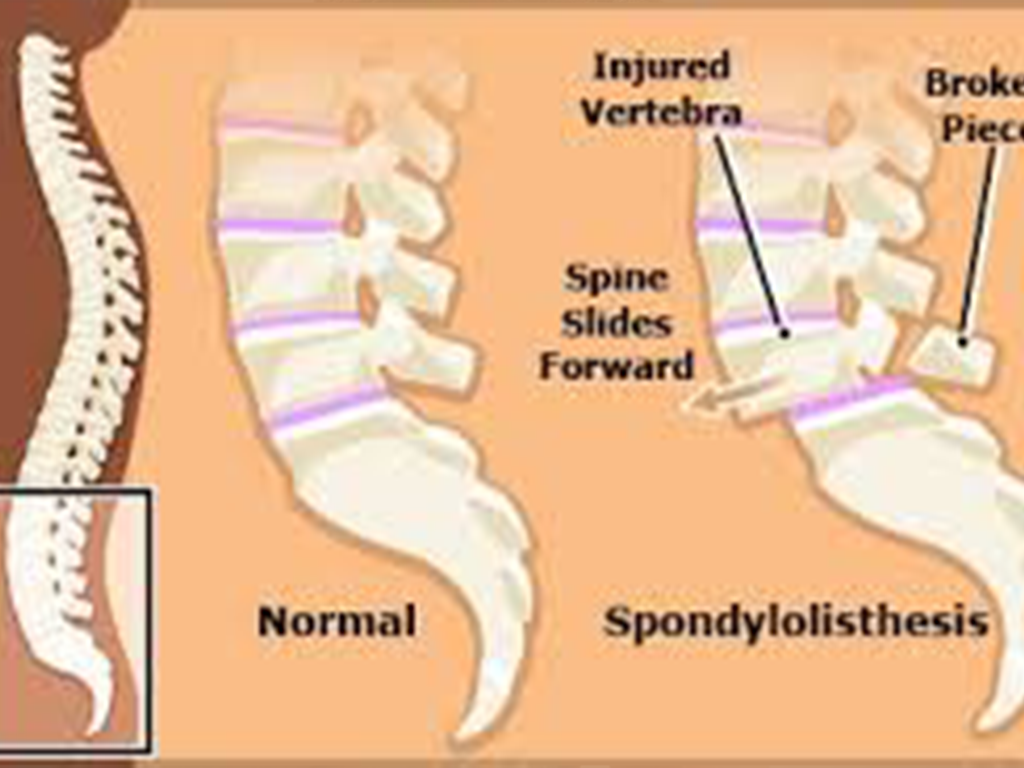
Lumbar Spondylolisthesis is a spinal condition where one of the vertebrae in the lower back (lumbar spine) slips forward over the vertebra beneath it. This misalignment can cause lower back pain, stiffness, nerve compression, and sometimes leg pain or weakness.

It commonly affects the L4-L5 and L5-S1 levels and can range from mild to severe based on the degree of slippage

Causes


  • Age-related degeneration of discs and joints

  • Repetitive stress from sports or heavy lifting

  • Spinal trauma or fractures

  • Congenital defects

  • Spinal tumors or infections

  • Post-surgical instability

Cervical Radiculopathy

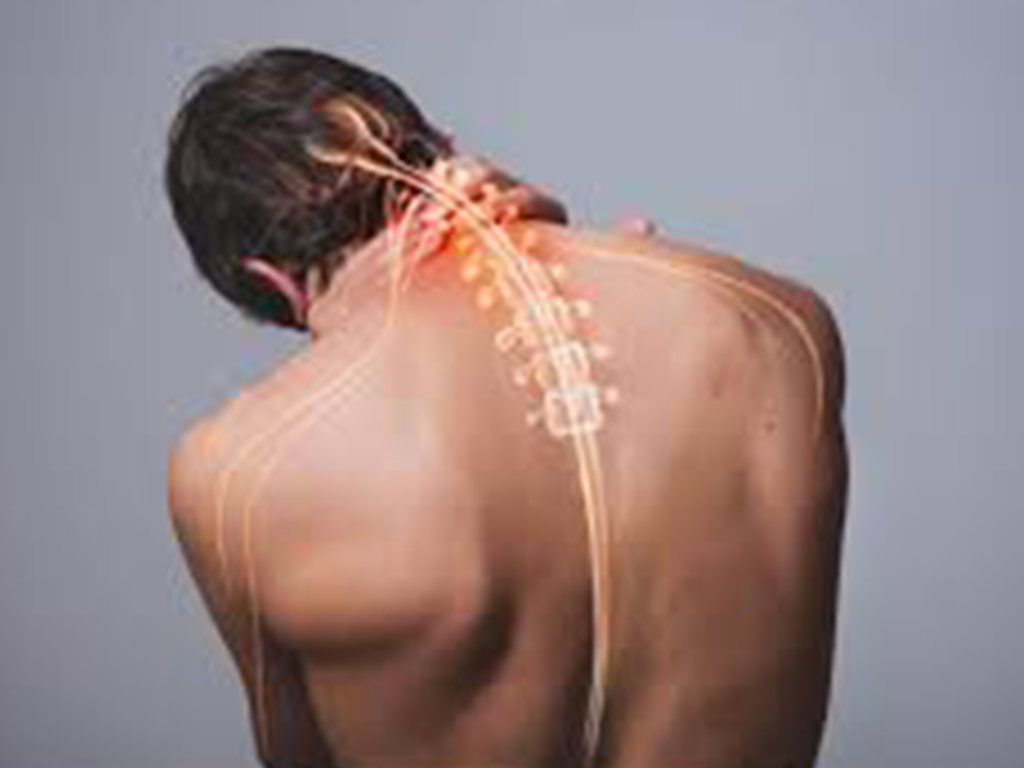
Cervical Radiculopathy — commonly referred to as a pinched nerve in the neck — is a condition where a nerve root in the cervical spine (neck region) becomes compressed or irritated. This can cause pain, numbness, tingling, and weakness that radiates from the neck into the shoulders, arms, and hands.

It usually occurs due to degenerative changes, disc herniation, or trauma and is more common in people aged 30 to 60 years.

Causes of Cervical Radiculopathy


Cervical radiculopathy develops when the nerve roots exiting the spinal cord become compressed or inflamed. Common causes include:

  • Cervical Disc Herniation: Displaced disc material presses on nerve roots.

  • Degenerative Disc Disease: Age-related wear and tear causes narrowing.

  • Cervical Spondylosis (Arthritis): Bone spurs can compress nerves.

  • Spinal Stenosis: Narrowing of the spinal canal.

  • Trauma or Injury: Sudden impact damaging discs or vertebrae.

  • Repetitive Strain: Poor posture, heavy lifting, or prolonged screen time.

Arthritis condition

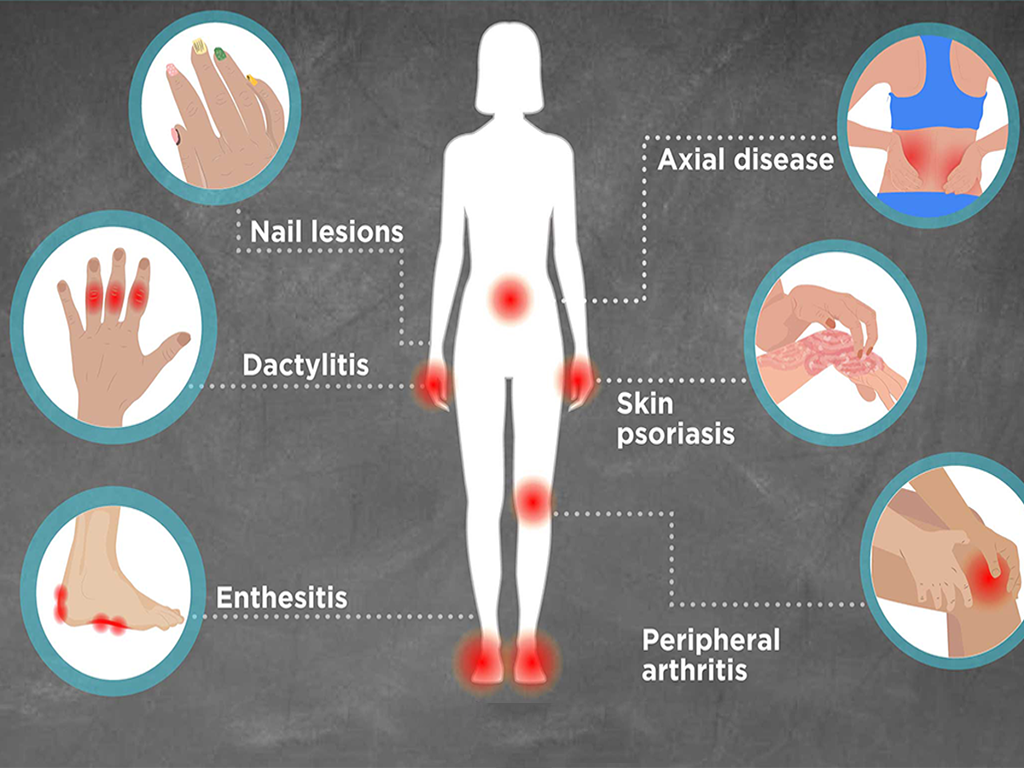
Arthritis is a general term used to describe a group of conditions that cause inflammation, pain, stiffness, and reduced mobility in one or more joints. It affects people of all age groups and can range from mild discomfort to severe disability if not managed properly.

There are over 100 types of arthritis, but the most common are Osteoarthritis (OA) and Rheumatoid Arthritis (RA).

Common Symptoms of Arthritis


  • Persistent joint pain and tenderness

  • Swelling around affected joints

  • Stiffness, especially in the morning or after inactivity

  • Redness and warmth over the joint

  • Difficulty performing daily activities

  • In severe cases, joint deformity

Rotator Cuff Injury Rehab

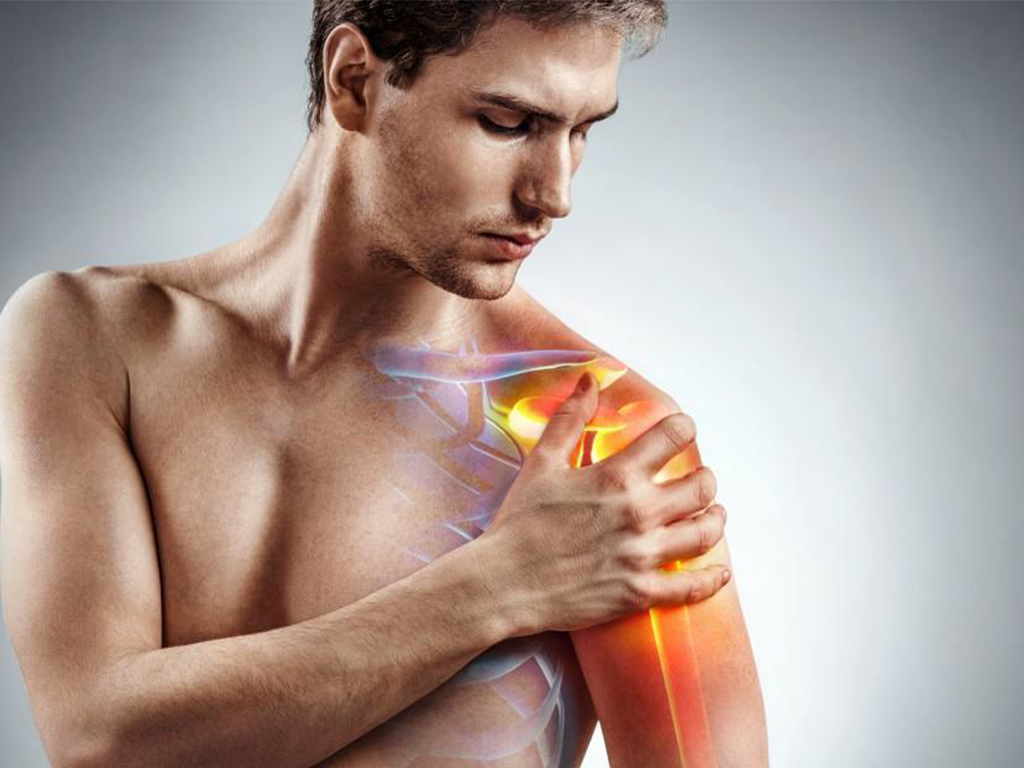
Rotator Cuff Injury Rehabilitation is a structured recovery program designed to restore shoulder strength, flexibility, and function after a rotator cuff injury. It can be used both post-surgery and for non-surgical management of partial tears, tendonitis, or impingement. A well-planned rehab protocol helps reduce pain, regain mobility, and prevent re-injury.

Goals of Rotator Cuff Injury Rehabilitation


  • Reduce pain and inflammation

  • Restore shoulder mobility and flexibility

  • Strengthen rotator cuff and surrounding muscles

  • Improve shoulder stability and prevent stiffness

  • Enable return to sports, work, and daily activities

Total knee Replacement Rehab

Total Knee Replacement Rehabilitation (TKR Rehab) is a structured recovery program designed to help patients regain mobility, strength, and function after undergoing Total Knee Replacement surgery. A well-planned rehab program is critical for a successful outcome, helping patients return to daily activities faster, minimize stiffness, reduce pain, and improve the longevity of the knee implant.

Goals of TKR Rehabilitation


  • Control Pain & Swelling after surgery

  • Restore Knee Mobility and flexibility

  • Rebuild Strength in thigh, hip, and calf muscles

  • Improve Balance & Walking Patterns

  • Enhance Quality of Life by enabling independent movement

  • Prevent Complications such as stiffness, clot formation, and implant loosening

Post Surgical Rehab

Post-Surgical Rehabilitation (Post-Surgical Rehab) is a structured recovery program designed to restore mobility, strength, and function after surgery. It plays a vital role in ensuring optimal healing, reducing pain, preventing complications, and helping patients return to daily activities and sports faster. Whether you’ve undergone orthopedic surgery, joint replacement, spine surgery, or trauma repair, a personalized rehabilitation plan is essential for a successful recovery.

Goals of Post-Surgical Rehabilitation


  • Accelerate Healing – Stimulates circulation and tissue repair

  • Reduce Pain & Swelling – Through targeted therapy and exercises

  • Restore Mobility – Regain flexibility and range of motion

  • Rebuild Strength – Improve muscle support around the surgical site

  • Prevent Complications – Reduce risks of stiffness, scar tissue, and re-injury

  • Enhance Overall Function – Help patients return to daily activities quickly and safely

Call Now Button